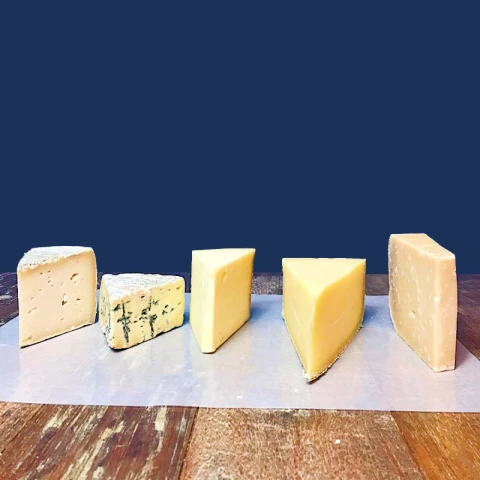
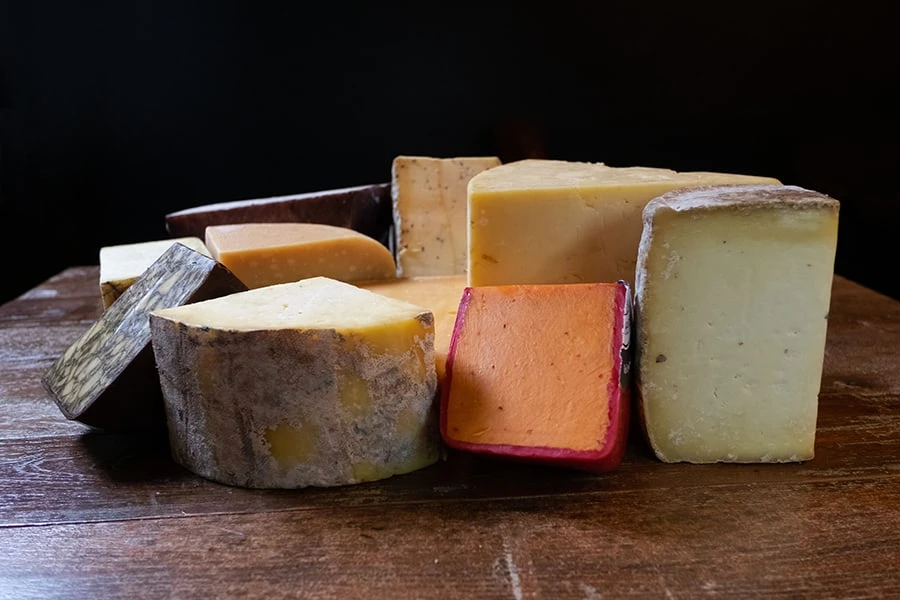
Hard cheese is cheese that has been pressed and aged long enough to lose most of its moisture, which is what gives it a firm texture and a deep, concentrated flavour. It is the family that includes Cheddar, Comté, Manchego and Parmesan, and it is where most people start their cheese journey and where a lot of them end up. Here are the ten we think everyone should know, with what to look for and what to drink alongside.
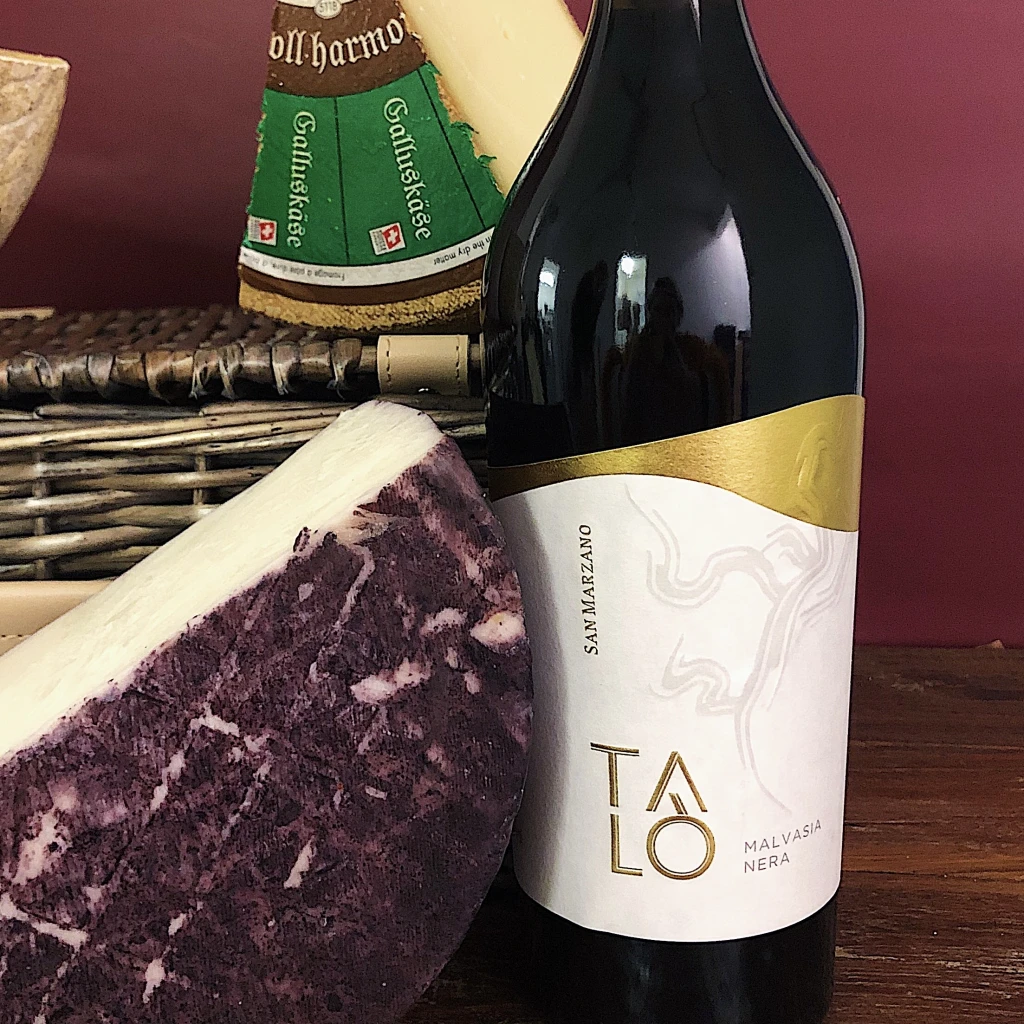
What Makes a Cheese Hard?
Time and pressure. After the curd is cut it is pressed to squeeze out whey, then left to mature for anything from six months to three years. As the water leaves, the flavour that is left behind gets stronger and the texture goes from smooth to crumbly to crystalline. Those little crunchy crystals in an aged Comté or Gouda are not salt. They are amino acids that form as the cheese ages, and they are a very good sign.
The maturing is called affinage, and the person who does it is an affineur. It is a proper craft. The same young wheel can turn into two quite different cheeses depending on who looks after it.
The Ten Hard Cheeses to Know
- Comté: the French Alpine classic, made in huge wheels from raw cow’s milk in the Jura. Ours is aged 24 months, so it is nutty, brothy and just starting to crunch. If you only buy one cheese on this list, buy this one.
- Keen’s Mature Cheddar: cloth-bound Somerset Cheddar from one of the three farms still making it the traditional way. Sharp, earthy, a bit of a tang at the end. Nothing like the block in the supermarket. Montgomery’s is its neighbour and rival, and we sell both so you can pick a side.
- Gruyère Réserve: Swiss, sweet and salty at the same time, and the best melting cheese there is. Fondue, gratins, a proper croque monsieur. Aged longer than the standard Gruyère, so it holds its own on a board too.
- Manchego Curado: Spain’s sheep’s milk star, from the plains of La Mancha. Buttery and nutty with a slightly grassy finish. Slice it thin with a little quince paste and a glass of Rioja.
- Pecorino Romano: salty, sharp sheep’s milk cheese from Italy that was built for grating. It is the cheese in a real carbonara or cacio e pepe. Not a board cheese, but a kitchen essential.
- Parmigiano-Reggiano: the king of Italian cheeses, granular and rich, aged for at least a year. Keep the rinds for soups and stocks. When we want an Italian hard cheese for the board rather than the grater, we reach for our Italian Cheese Selection instead.
- Cornish Kern: the aged, black-waxed sibling of Cornish Yarg and a former World Cheese Awards champion. Dense, fruity, nutty and savoury all at once, somewhere between a Gouda and an Alpine cheese. A British cheese to be proud of.
- Ogleshield: made by the Montgomery family with Jersey milk, in the style of a Raclette. It melts better than anything else on this list and is the cheese we put on our own toasties. Try it once and you will not go back.
- Ribblesdale Mature Goat: Yorkshire’s own goat’s Gouda, made in the Dales and aged in the Netherlands for that authentic waxy, caramel sweetness. A brilliant alternative if cow’s milk does not agree with you, and vegetarian.
- Wyfe of Bath: a Gouda-style cheese from Somerset, made with organic milk, sweet and grassy with a gentle bite. The one we hand to people who say they want “something different but not weird”.
Honourable mentions from the counter: Black Bomber, the Welsh extra mature Cheddar that outsells nearly everything else we stock, Doddington from Northumberland, and Yorkshire Pecorino, made in Leeds by an Italian cheesemaker who missed home.
What to Drink with Hard Cheese
Hard cheeses have enough weight to stand up to a bigger drink. A rich white like an oaked Chardonnay is lovely with Comté and Gruyère. Cheddar wants something with a bit of grip: a Shiraz, a Côtes du Rhône or a good pale ale. Manchego and Rioja are made for each other. Aged Gouda and Kern go beautifully with a tawny port, and a very aged Cheddar with a dram of whisky is one of the great pairings that nobody talks about enough.
Cooking with Hard Cheese
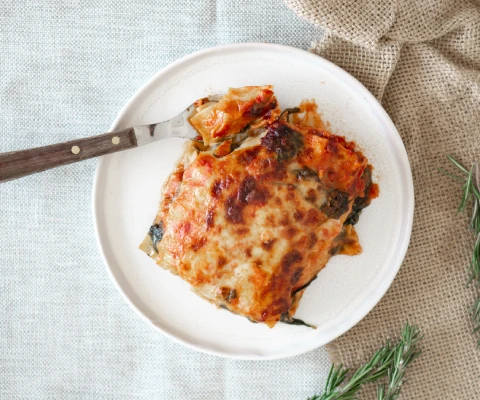
Grate Parmesan or Pecorino over pasta, melt Gruyère or Ogleshield into gratins and toasties, and put a proper mature Cheddar into your cauliflower cheese or on top of a shepherd’s pie. Aged cheeses can go oily if you blast them, so add them at the end and keep the heat gentle. And keep the rinds. A Parmesan or Comté rind dropped into a soup or a risotto stock adds more flavour than most things you could buy in a jar.
Hard Cheese FAQs
How long does hard cheese keep?
Weeks, if you look after it. Wrap it in waxed paper rather than cling film, keep it in the fridge and cut off any surface mould that appears. A little mould on a hard cheese is not a problem.
What are the crunchy bits in aged cheese?
Tyrosine crystals, which form naturally as the proteins break down over a long maturation. They are a sign of age and quality, not a fault.
Are hard cheeses vegetarian?
Some are, some are not. Parmesan, Pecorino Romano, Manchego, Comté and Gruyère all use traditional animal rennet. Many British hard cheeses, including Black Bomber, Wyfe of Bath and the Ribblesdale goat cheeses, use vegetarian rennet. Every product page on our site says which. Our vegetarian cheese guide has the full list.
Ready to taste them? Browse our hard cheese collection, all cut to order and delivered fresh, or come and try before you buy at the counter on Gillygate.