Soft cheese is any cheese that keeps enough moisture to stay creamy, spreadable or gently oozing rather than firm. It covers everything from a fresh crowdie to a ripe Brie to a washed-rind cheese that announces itself from across the room. This guide walks through the main styles, how they are made, how to serve and store them, and the ones we reach for first at the counter on Gillygate.
Hard cheeses are pressed and aged until most of the moisture has gone. Soft cheeses are the opposite. They are either eaten fresh within days of being made, or ripened for a few weeks so the inside softens from the rind inwards. That is why a Brie that is chalky in the middle one week can be running off the board the next.

Types of Soft Cheese
- Bloomy rind (Brie and friends): the white velvety rind is a mould that ripens the cheese from the outside in. Baron Bigod from Fen Farm in Suffolk is the British one we sell most of, and it is as good as anything from France. If you like it a little more decadent, Truffle Baron Bigod has a layer of black truffle through the middle. Our classic French Brie is the one to build a board around.
- Triple cream: extra cream is added to the milk before it is set, so the finished cheese is closer to butter than to Brie. Délice de Bourgogne is the one that converts people. Spread it on a warm baguette and stop talking for a minute.
- Washed rind: the rind is rubbed with brine, beer, cider or spirit while it ripens, which gives an orange, sticky rind and a big farmyard smell. The flavour is always gentler than the aroma. Langres from Champagne and Maida Vale from Berkshire, washed in Elgood’s ale, are our two favourites.
- British soft cheeses: our cheesemakers have long since stopped copying the continent. Waterloo is buttery and rich from Guernsey milk, and Wigmore, from the same Berkshire dairy, does the same trick with ewe’s milk. Both are vegetarian.
- Soft goat’s cheese: fresh and lemony when young, denser and more complex with age. Driftwood, an ash-coated log from Somerset, is the one to try if you think you do not like goat’s cheese.
- Italian soft cheeses: Taleggio is a washed-rind cheese from Lombardy that melts like a dream on a pizza or into a risotto. Ricotta and mozzarella sit at the fresh end of the same family.
- Fresh cheeses: cream cheese, crowdie, feta and ricotta are eaten within days of being made, with no rind at all. Mild, useful and the backbone of a lot of cooking.

How Soft Cheese Is Made
Every cheese starts the same way, and with soft cheese the cheesemaker simply stops earlier.
- Acidification: warm milk is inoculated with starter cultures, which begin turning the milk sugars into lactic acid.
- Coagulation: rennet is added and the milk sets into a soft curd. Vegetarian cheeses use a microbial or plant rennet instead of the traditional animal one.
- Draining: the curd is ladled into moulds and left to drain under its own weight. No pressing, which is what keeps the moisture in.
- Salting and ripening: the young cheese is salted, then either sold fresh or ripened for two to eight weeks while the rind develops.
Fresh cheeses can be ready in a day. A Brie-style cheese needs a month or so, and a good affineur will turn and check it every few days until it is ready to sell.

How to Serve Soft Cheese
Take it out of the fridge an hour before you want to eat it. Cold soft cheese is firm and quiet. At room temperature the texture loosens and the flavour comes forward, which is the whole point. A few ways we use it:
- On the board: one bloomy, one washed rind and one goat’s cheese covers a lot of ground. Add fig chutney or red onion and port marmalade and some plain crackers that will not fight the cheese.
- Baked: a whole Baron Bigod in its box, scored, drizzled with honey and baked for twenty minutes, then dunked into with bread. Dinner for two with very little effort.
- In cooking: Taleggio on a pizza or folded through risotto, goat’s cheese on a beetroot salad, cream cheese or ricotta in anything sweet.
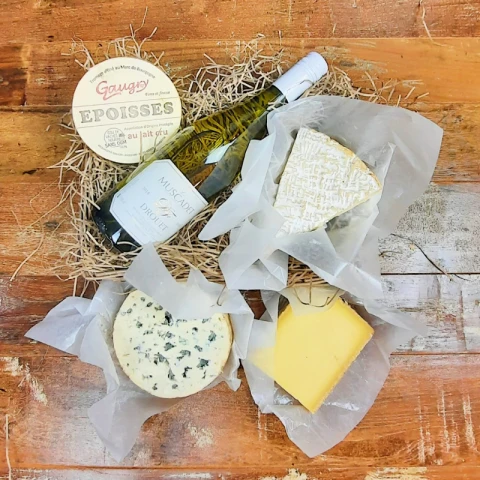
- With a drink: soft cheeses like a light, fresh wine. Muscadet or a Blanc de Blancs with Brie, a dry rosé with goat’s cheese, and something with a bit of sweetness for the washed rinds.

Storing Soft Cheese
Keep it in the fridge, wrapped in waxed paper or the paper it came in, inside a box or a loosely closed bag. Cling film makes a ripening cheese sweat. A whole Brie-style cheese will keep for a couple of weeks and keep ripening; once cut, aim to finish it within four or five days. Fresh cheeses should be eaten by the date on the pack. We do not recommend freezing soft cheese. It survives, but the texture goes grainy and it never quite recovers.

Soft Cheese FAQs
Is soft cheese safe during pregnancy?
Pasteurised soft cheeses with no rind, such as cream cheese, mozzarella, feta and ricotta, are fine. Mould-ripened cheeses like Brie and Camembert, soft blues and anything unpasteurised should only be eaten cooked until steaming hot. Every product page on our site says whether a cheese is pasteurised. Check the current NHS guidance or ask your midwife if you are unsure.
Is soft cheese the same as cream cheese?
No. Cream cheese is one kind of soft cheese: a fresh cheese with no rind, eaten within days of being made. Soft cheese covers much more, from fresh cheeses like cream cheese and ricotta to ripened ones like Brie, Délice de Bourgogne and Langres, which are aged for weeks and grow a rind. In UK supermarkets, tubs of cream cheese are often labelled “soft cheese”, which is where the mix-up comes from.
Why does my Brie smell of ammonia?
It is over-ripe. A faint whiff when you first unwrap it is normal and blows off in a few minutes. If it still smells sharp after that, the cheese has gone past its best. Buy a little less, a little more often.
Can you eat the rind?
Yes, on all of the cheeses above. The bloomy white rind on Brie and the orange rind on a washed-rind cheese are part of the cheese. The only rinds to leave are wax, cloth and anything you would not want to chew.
Which soft cheese should I try first?
Baron Bigod if you want a Brie done properly, Délice de Bourgogne if you want to be spoiled, Langres if you are feeling brave. Or let us choose: our Best British Cheese Hamper always has a soft cheese or two in it.

Ready to try some? Browse our soft cheese collection, everything cut to order and delivered fresh across the UK, or come and taste at the counter on Gillygate. We are open Tuesday to Saturday.