AWARD WINNING BRITISH CHEESE. DELIVERED FRESH. PERFECT FOR GIFTING.
Free UK Delivery over £55
Fast UK Delivery
Independent Cheese & Wine Bistro
5 Star Reviews

Cheese

What is Vegetarian Cheese? A Cheesemonger’s Guide

Vegetarian cheese is real cheese, made from real milk, that uses a vegetarian rennet to set the curd instead of the traditional rennet taken from a calf’s stomach. It is not the same thing as vegan cheese, which contains no dairy at all. Most people are surprised to learn that some of the most famous cheeses in the world are not vegetarian, and that a great many British cheeses are. This guide explains the difference, tells you which is which, and points you at the ones we sell.
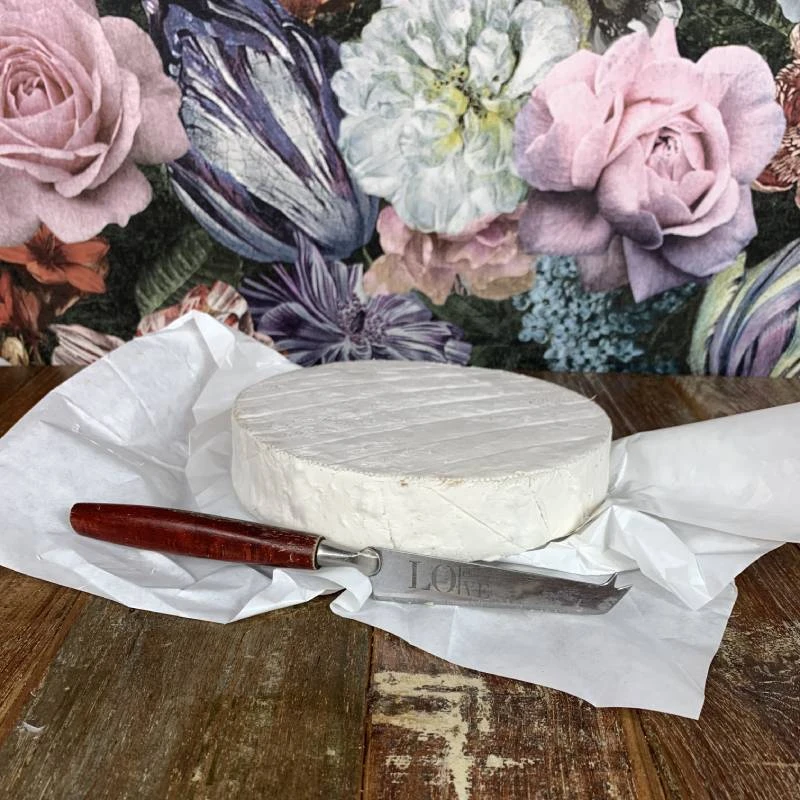
Wigmore vegetarian cheese

What Makes a Cheese Vegetarian?

To turn milk into cheese you need to make it set, and for that cheesemakers use rennet, an enzyme that curdles the milk. Traditional rennet is animal rennet, extracted from the stomach lining of calves, lambs or kids. Vegetarian rennet does the same job using a microbial enzyme grown from fungi, or in a few cheeses a plant extract such as thistle or nettle.

That is the only difference. The milk, the cultures, the salt, the ageing are all the same. A vegetarian Cheddar is a Cheddar. It behaves the same on a cheeseboard and it melts the same in a toastie.

Vegetarian Cheese and Vegan Cheese Are Not the Same

Worth saying plainly because the two get mixed up all the time. Vegetarian cheese is dairy cheese made without animal rennet. Vegan cheese is made from nuts, oats, soya or coconut and contains no milk. We are cheesemongers, so everything on our counter is made from milk. If you need a vegan option, look for products labelled vegan rather than vegetarian.
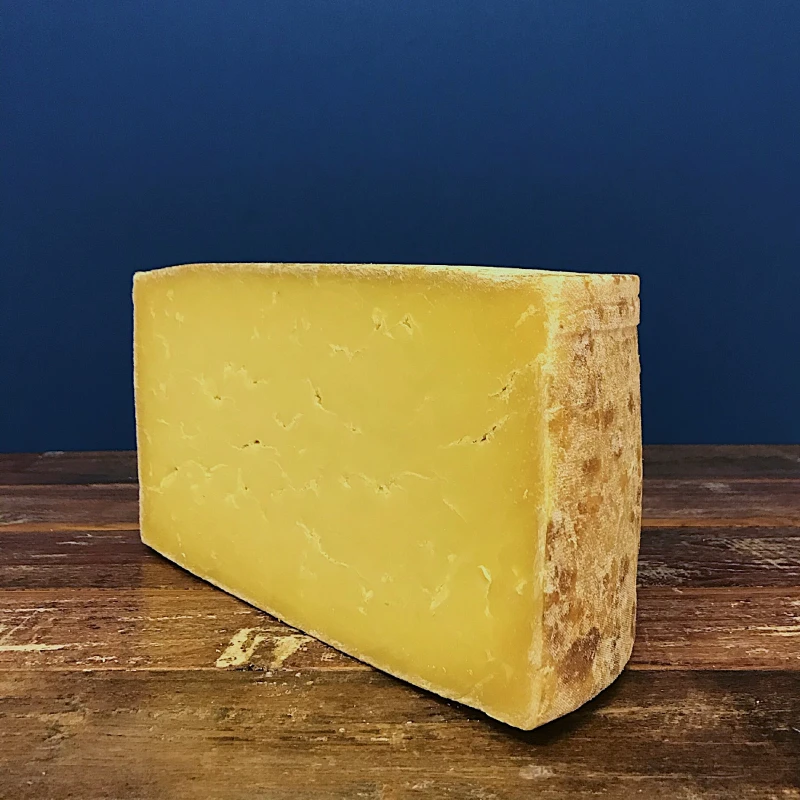
Dale End Cheddar Vegetarian Cheese

Which Famous Cheeses Are Not Vegetarian?

Most of the great protected European cheeses have rules that require animal rennet, so they can never be vegetarian. That includes Parmigiano-Reggiano, Grana Padano, Pecorino Romano, Gorgonzola, Comté, Gruyère, Manchego, Roquefort and Brie de Meaux. If a recipe calls for Parmesan and you are cooking for vegetarians, use a vegetarian Italian-style hard cheese instead. Our Yorkshire Pecorino, made in Leeds, is vegetarian and does the job beautifully.

Vegetarian Cheeses We Sell

British cheesemakers went over to vegetarian rennet decades ago, so the majority of the British cheese on our counter is vegetarian. Every product page on our site shows a “Vegetarian” label where it applies, and you can browse the whole lot in our vegetarian cheese collection. A few to start with:

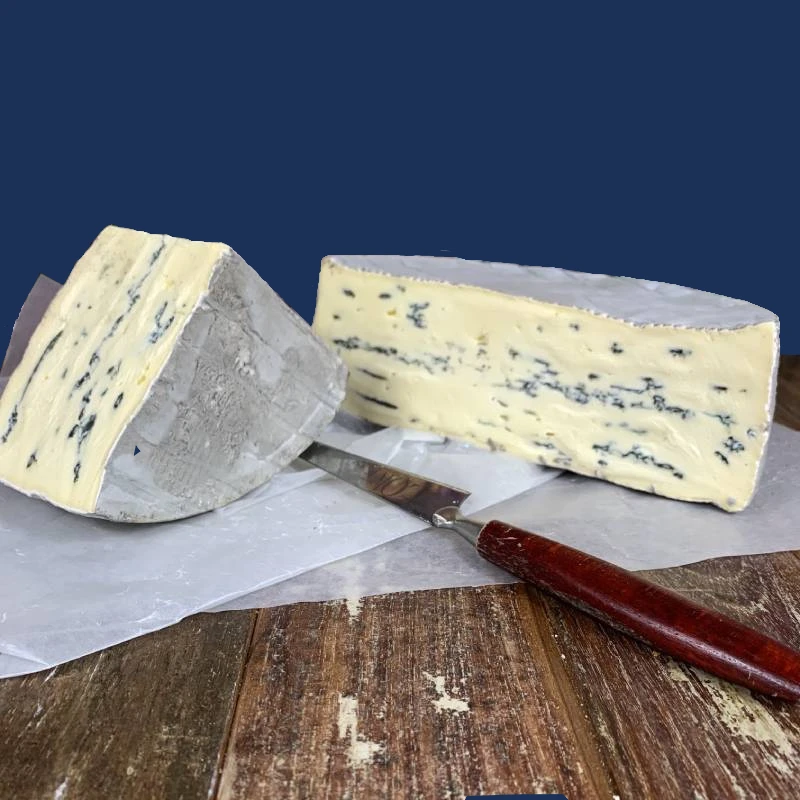
montagnolo vegetarian cheese

Cooking and Serving Vegetarian Cheese

Treat it exactly like any other cheese, because it is. Build a board with a hard, a blue and a soft from the list above, add some chutney and crackers, and nobody at the table will know or care which rennet was used. For cooking, Black Bomber makes a serious cheese sauce, Ogleshield-style melters are not vegetarian but Lancashire Bomb is and melts just as well, and Yorkshire Pecorino covers your grating needs.

A word on nutrition, since people ask: cheese is a good source of protein and calcium and it is also high in fat and salt. Vegetarian rennet changes none of that. Enjoy it in sensible amounts, with good bread and something green.
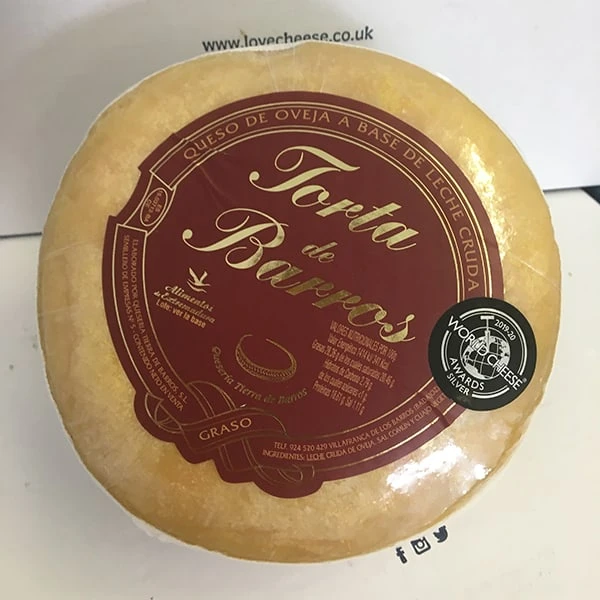
Torta de Barros Vegetarian Cheese

Vegetarian Cheese FAQs

Is vegetarian cheese suitable for vegans?

No. It is made from milk. Vegans need a cheese labelled vegan, which will be made from plants.

Does vegetarian cheese taste different?

Not in a way you would notice. Some cheesemakers argue animal rennet gives a very long-aged cheese a little extra depth, which is one reason the Italian and French classics stick with it. Side by side on a board, nobody picks it out.

Does it melt the same?

Yes. Melting depends on the style of cheese, its age and its fat content, not on the rennet. Ask any of the team which cheese to put in a toastie and you will get a strong opinion.

How do I know if a cheese is vegetarian?

Look for “vegetarian rennet” or “suitable for vegetarians” on the label, or the Vegetarian tag on our product pages. If it is a protected European name like Parmigiano or Gruyère, assume it is not. If in doubt, ask us.

Can I make vegetarian cheese at home?

A simple fresh cheese, yes. Warm milk, a squeeze of lemon juice, drain through muslin and you have something close to a paneer or a ricotta. For anything aged, leave it to the professionals and come and see us.

Browse the full vegetarian cheese collection, or if you are putting a gift together, our cheese hampers can be built vegetarian on request. Just add a note at checkout.
A Guide to French Cheese: The Classics and What to Drink with Them

France makes more than a thousand cheeses, and the reason is the land. Alpine pastures give you Comté and Beaufort, the damp meadows of Normandy give you Brie and Camembert, the limestone of the south gives you Roquefort and goat’s cheese. This guide takes you round the country, picks out the cheeses worth knowing, and tells you what to drink with each. It also tells you which ones are on our counter on Gillygate right now.

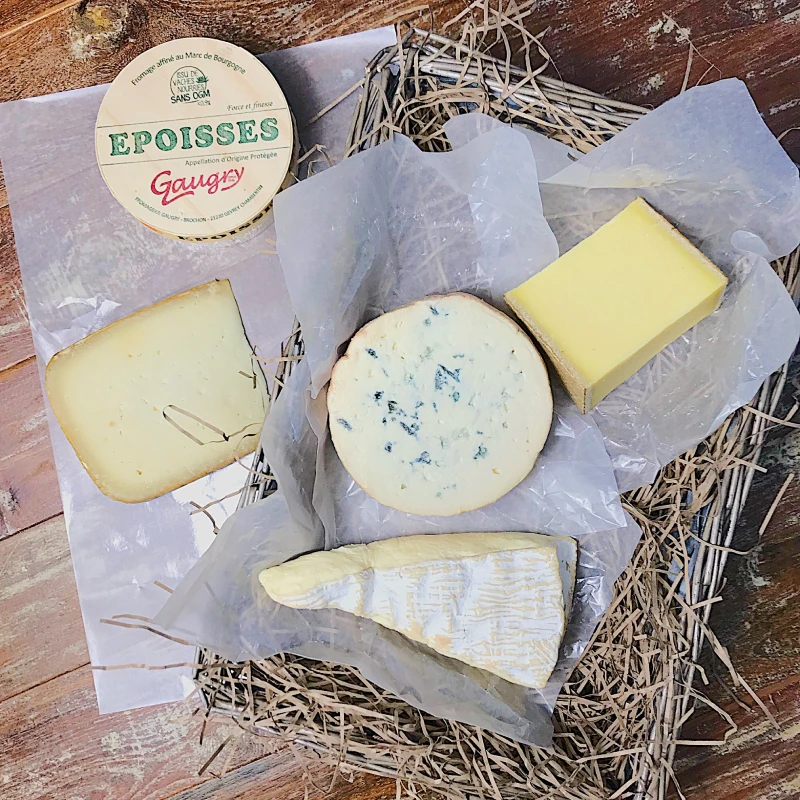
French cheese selection with Epoisses, Comte, blue and Brie wrapped in paper on straw

French Cheese by Region

  • The Alps and the Jura: big wheels of cooked, pressed cheese built to last a mountain winter. Comté is the one to know: ours is aged 24 months, nutty and brothy with a crunch. Beaufort, Abondance and Reblochon come from the same hills.
  • Île-de-France and Normandy: the home of the bloomy rind. Brie de Meaux, Brie de Melun, Camembert and Pont-l’Évêque are all soft, rich and made for a baguette. Our French Brie is the everyday version; Brie de Meaux itself is out of stock while raw-milk cow’s cheese imports from France are paused.
  • Burgundy and Champagne: washed-rind cheeses with orange rinds and a big aroma. Langres, with its dimpled top made for a splash of Champagne, and Époisses are the famous ones. Délice de Bourgogne, the triple-cream cheese, comes from here too and is the most indulgent thing we sell.
  • The Auvergne: France’s blue cheese country. Fourme d’Ambert is tall, mild and creamy, one of the gentlest blues there is. Bleu d’Auvergne is bolder, buttery with a proper tang. Roquefort, the sheep’s milk blue from the caves further south, is the big brother of both.
  • The Basque Country and the Pyrenees: sheep’s milk cheese made to a recipe the Basques say has not changed in thousands of years. Ossau Iraty is firm, nutty and faintly sweet. Eat it with black cherry jam, as they do at home.
  • The Loire: goat’s cheese, in every shape you can think of. Valençay, Crottin de Chavignol, Selle-sur-Cher and Sainte-Maure, each a little chalky, lemony log or pyramid, often rolled in ash. The freshest of them are wonderful with a glass of Sancerre.

If you would rather taste your way round than read about it, our Bon Appétit French Cheese Selection brings five of them together: Langres, Brie, Ossau Iraty, Comté and Fourme d’Ambert. It is the box we send to people who tell us they do not know where to start.

French Basket

Pairing French Cheese with Wine

The French rule is simple: what grows together goes together. A few pairings that never let us down:

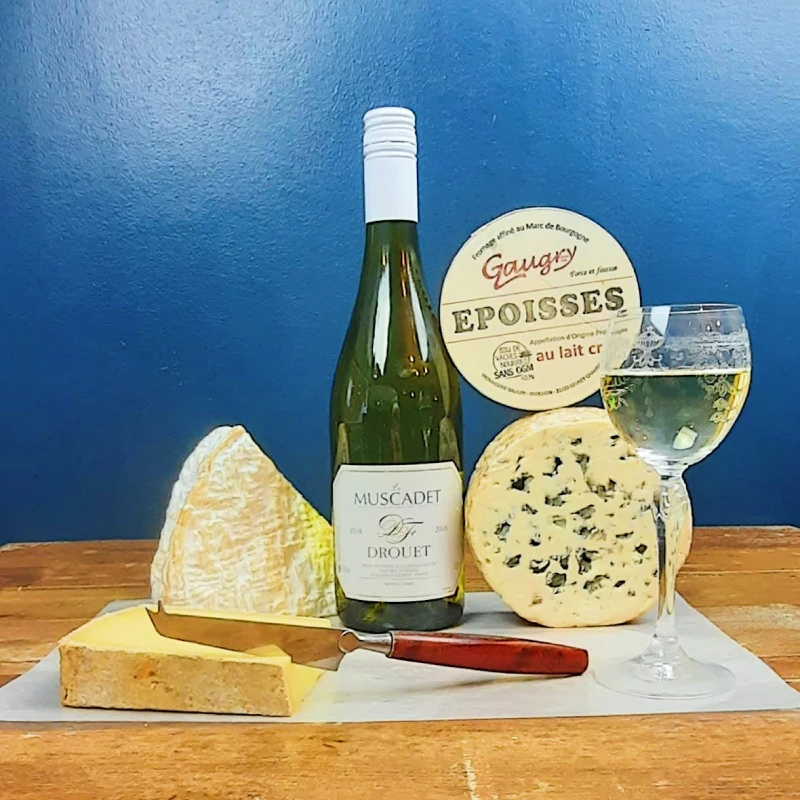
  • Brie and Délice de Bourgogne with something crisp and fresh. Muscadet, or a Blanc de Blancs if it is a celebration. The bubbles cut through the cream.
  • Comté with an oaked white, or a lighter red. It is one of the few cheeses that is happy with both.
  • Langres and other washed rinds with a red that has some fruit and a little spice, like a Côtes du Rhône. Or, as the locals do, a glass of Champagne poured into the top of the cheese.
  • Fourme d’Ambert and Bleu d’Auvergne with something sweet. A dessert wine or a tawny port. Salt and sugar, the oldest trick in the book.
  • Ossau Iraty with a Basque red, or failing that a Rioja from over the border.
  • Loire goat’s cheese with Sauvignon Blanc, Sancerre if you can, or a dry southern French rosé.

Storing and Serving French Cheese

Keep cheese in the fridge wrapped in waxed paper, never cling film, and take it out an hour before you serve it. A cold Brie is firm and dull; at room temperature it relaxes and tastes of something. Use a separate knife for each cheese so the blue does not end up in the Brie, and serve them mildest to strongest: Comté, then Brie, then Langres, then the blue. Bread rather than crackers for the soft ones. The French would not dream of putting Brie on a cracker.

French Cheese FAQs

What is the most popular French cheese?

Comté, by volume, in France itself. In Britain it is Brie, and Camembert not far behind. On our counter Comté and Délice de Bourgogne fight it out every week.

Are French cheeses pasteurised?

Many of the traditional ones are made from raw milk, including Comté, Brie de Meaux and Roquefort. Others, including the Brie we currently sell, are pasteurised. Every product page on our site says which, and it matters if you are pregnant, so do check.

Why are some French cheeses hard to get at the moment?

Imports of raw-milk cow’s cheese from France into the UK have been paused for animal-health reasons, which is why Brie de Meaux is out of stock and we are stocking a pasteurised Brie instead. Sheep’s and goat’s milk cheeses and pasteurised cheeses are unaffected. We will have the raw-milk ones back the moment we are allowed.

What French cheese makes a good gift?

Our Taste of France gift basket pairs French cheeses with a bottle to match, and the Bon Appétit selection above is the one for someone who just loves cheese.

Every French cheese mentioned here, when it is in season and in stock, lives in our French cheese collection. Cut to order, delivered fresh across the UK, or come and try them at the counter in York.

Our Philosophy Confirmed – Cheese Truth Exposed

Good news has fallen upon our quaint little cheese shop today. The scientists of the cheese world have finally given fact to support the undeniable truth – cheese is not bad for your health!

The general belief spread worldwide is that eating cheese will give you high cholesterol, make you extra podgy and give you a heart attack at 35. Here at Love Cheese, we deny this lie that shuns cheese and fills our lovely customers with guilt as they place cheddar on a cracker.

There is now evidence from leading experts, released to the world just yesterday, that cheese is not a guilty party to heart attacks and strokes. Cheese, milk and yoghurt (even the hefty full-fat ones) are not to blame for any damage to health.

Incredible news for a Tuesday, right?

Our friend, Ian Givens, a professor of food chain nutrition at Reading University, said “There’s quite a widespread belief among the public that dairy products in general can be bad for you, but that’s a misconception. While it is a widely-held belief, our research shows that it is wrong”.

To really make your day special, hear this: “No associations were found for total (high-fat/low-fat) dairy and milk with the health outcomes of mortality, CHS or CVD”. The Guardian state they even added that fermented dairy products may potentially slightly lower the risk of having a heart attack or stroke!

So, next time you pop over to Love Cheese, and grab a Camembert to bake with a dash of wine and spices, grab a Brie or Wensleydale too. Waltz out feeling liberated that you are being good to your body, and your soul.

To read the full article by the Guardian with more facts and research follow this link: https://www.theguardian.com/society/2017/may/08/consuming-dairy-does-not-raise-risk-of-heart-attack-or-stroke-study

Have a fantastic cheese-filled day.
The Love Cheese Team.


Our Guide to Coping with Cheese Addiction

Here at Love Cheese, we want to be a constant loving support to all of our customers. We want to always be there, through thick and thin, through mild and mature. So, the first step, is admitting you have a problem.

We don’t blame you. You always had to have the last piece of brie on the cheese board. You were the one insisting New Years Eve wasn’t going to work without a baked Camembert as the clock struck 12. You poured more white wine into that glass when we told you you’d had enough. You didn’t listen. But we forgave you.

The self-control you lack when you enter Love Cheese, that need to grab another one of those French cheeses, can be explained. You are a cheese junkie. And there are scientific reasons backing you up on this.

Cheese is so addictive because it contains the protein casein, and this creates casomorphins when the dairy breaks down in your body. Dr. Neil Barnard, who runs the Physicians Committee for Responsible Medicine, tells the Vegetarian Times, “Casomorphins attach to the brain’s opiate receptors to cause a calming effect in much the same way heroin and morphine do”.

So there you have it, cheese is a drug. Just like love. Just like heroin. It has been explained. We cannot argue with the truth.

In light of this truth, here at Love Cheese, we tell our customers to relish in this addiction. Why fight against it? Cheese tastes good. And as we shared last week in our Why Cheese is Good for You Post, it clearly is much healthier than heroin, and possibly love too. (we aren’t too cynical are we..? But cheese trumps romance, right?)

On that note, check out our online cheeses and purchase tonight’s dinner, delivered straight to your door, in the form of a cheese board from Our Online Shop.

Who knows, make it a romantic candle-lit affair, and see how you and your cheese addiction can work together! Enjoy Love Cheese in your own home. Tonight, light up a cheese joint and relax.

Please share this post on your social media if you enjoyed it! For post updates, genius recipe shares and exclusive subscriber-only offers, subscribe to our newsletter by scrolling down ————–>