AWARD WINNING BRITISH CHEESE. DELIVERED FRESH. PERFECT FOR GIFTING.
Free UK Delivery over £55
Fast UK Delivery
Independent Cheese & Wine Bistro
5 Star Reviews

News

What is Vegetarian Cheese? A Cheesemonger’s Guide

Vegetarian cheese is real cheese, made from real milk, that uses a vegetarian rennet to set the curd instead of the traditional rennet taken from a calf’s stomach. It is not the same thing as vegan cheese, which contains no dairy at all. Most people are surprised to learn that some of the most famous cheeses in the world are not vegetarian, and that a great many British cheeses are. This guide explains the difference, tells you which is which, and points you at the ones we sell.
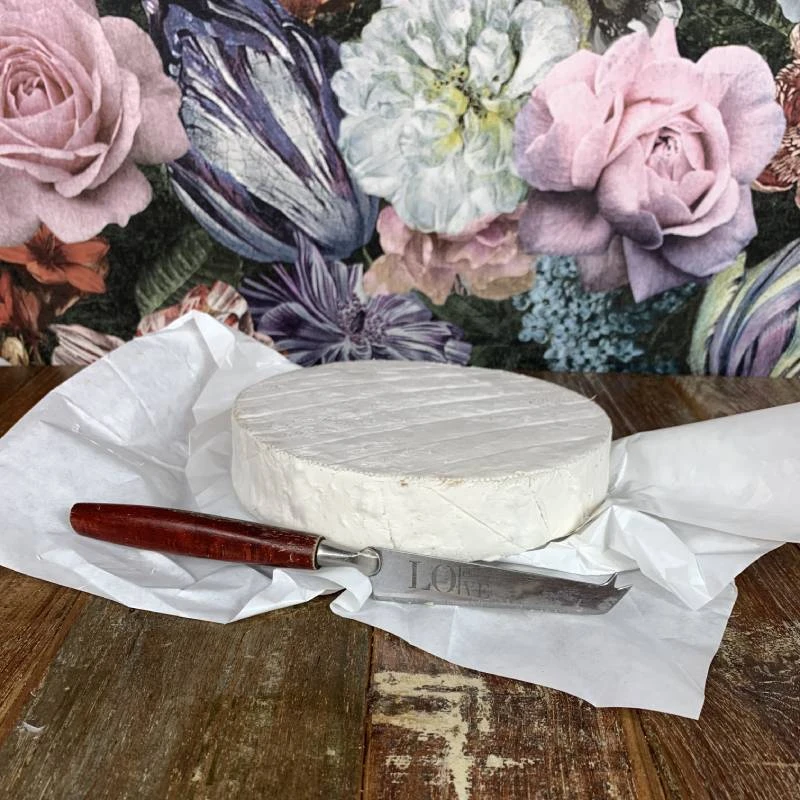
Wigmore vegetarian cheese

What Makes a Cheese Vegetarian?

To turn milk into cheese you need to make it set, and for that cheesemakers use rennet, an enzyme that curdles the milk. Traditional rennet is animal rennet, extracted from the stomach lining of calves, lambs or kids. Vegetarian rennet does the same job using a microbial enzyme grown from fungi, or in a few cheeses a plant extract such as thistle or nettle.

That is the only difference. The milk, the cultures, the salt, the ageing are all the same. A vegetarian Cheddar is a Cheddar. It behaves the same on a cheeseboard and it melts the same in a toastie.

Vegetarian Cheese and Vegan Cheese Are Not the Same

Worth saying plainly because the two get mixed up all the time. Vegetarian cheese is dairy cheese made without animal rennet. Vegan cheese is made from nuts, oats, soya or coconut and contains no milk. We are cheesemongers, so everything on our counter is made from milk. If you need a vegan option, look for products labelled vegan rather than vegetarian.
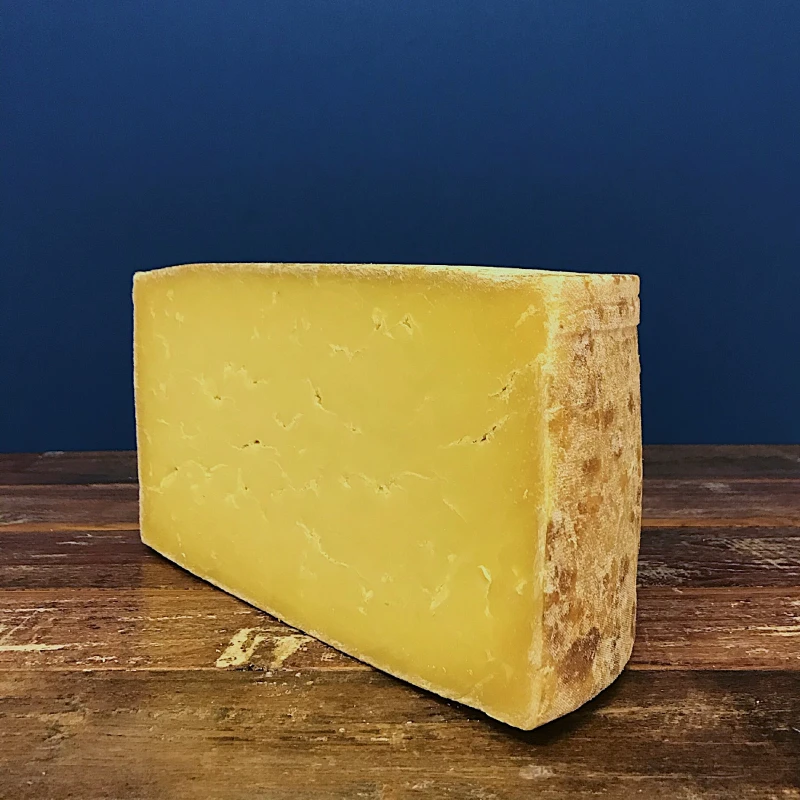
Dale End Cheddar Vegetarian Cheese

Which Famous Cheeses Are Not Vegetarian?

Most of the great protected European cheeses have rules that require animal rennet, so they can never be vegetarian. That includes Parmigiano-Reggiano, Grana Padano, Pecorino Romano, Gorgonzola, Comté, Gruyère, Manchego, Roquefort and Brie de Meaux. If a recipe calls for Parmesan and you are cooking for vegetarians, use a vegetarian Italian-style hard cheese instead. Our Yorkshire Pecorino, made in Leeds, is vegetarian and does the job beautifully.

Vegetarian Cheeses We Sell

British cheesemakers went over to vegetarian rennet decades ago, so the majority of the British cheese on our counter is vegetarian. Every product page on our site shows a “Vegetarian” label where it applies, and you can browse the whole lot in our vegetarian cheese collection. A few to start with:

montagnolo vegetarian cheese

Cooking and Serving Vegetarian Cheese

Treat it exactly like any other cheese, because it is. Build a board with a hard, a blue and a soft from the list above, add some chutney and crackers, and nobody at the table will know or care which rennet was used. For cooking, Black Bomber makes a serious cheese sauce, Ogleshield-style melters are not vegetarian but Lancashire Bomb is and melts just as well, and Yorkshire Pecorino covers your grating needs.

A word on nutrition, since people ask: cheese is a good source of protein and calcium and it is also high in fat and salt. Vegetarian rennet changes none of that. Enjoy it in sensible amounts, with good bread and something green.
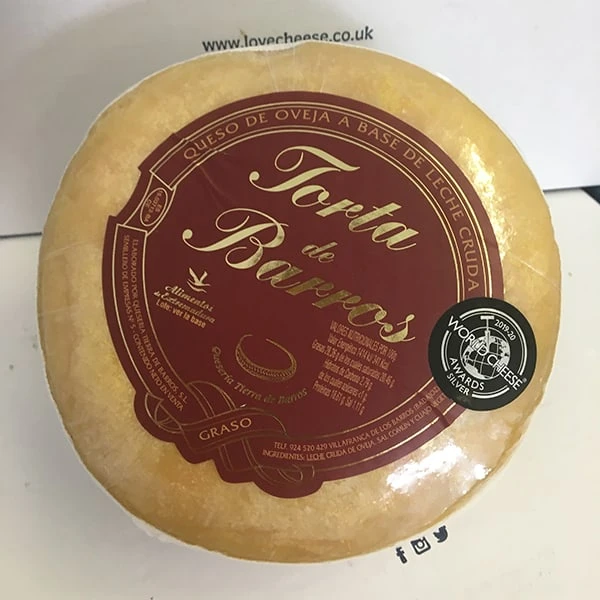
Torta de Barros Vegetarian Cheese

Vegetarian Cheese FAQs

Is vegetarian cheese suitable for vegans?

No. It is made from milk. Vegans need a cheese labelled vegan, which will be made from plants.

Does vegetarian cheese taste different?

Not in a way you would notice. Some cheesemakers argue animal rennet gives a very long-aged cheese a little extra depth, which is one reason the Italian and French classics stick with it. Side by side on a board, nobody picks it out.

Does it melt the same?

Yes. Melting depends on the style of cheese, its age and its fat content, not on the rennet. Ask any of the team which cheese to put in a toastie and you will get a strong opinion.

How do I know if a cheese is vegetarian?

Look for “vegetarian rennet” or “suitable for vegetarians” on the label, or the Vegetarian tag on our product pages. If it is a protected European name like Parmigiano or Gruyère, assume it is not. If in doubt, ask us.

Can I make vegetarian cheese at home?

A simple fresh cheese, yes. Warm milk, a squeeze of lemon juice, drain through muslin and you have something close to a paneer or a ricotta. For anything aged, leave it to the professionals and come and see us.

Browse the full vegetarian cheese collection, or if you are putting a gift together, our cheese hampers can be built vegetarian on request. Just add a note at checkout.

What is Soft Cheese? A Cheesemonger’s Guide

Soft cheese is any cheese that keeps enough moisture to stay creamy, spreadable or gently oozing rather than firm. It covers everything from a fresh crowdie to a ripe Brie to a washed-rind cheese that announces itself from across the room. This guide walks through the main styles, how they are made, how to serve and store them, and the ones we reach for first at the counter on Gillygate.

Hard cheeses are pressed and aged until most of the moisture has gone. Soft cheeses are the opposite. They are either eaten fresh within days of being made, or ripened for a few weeks so the inside softens from the rind inwards. That is why a Brie that is chalky in the middle one week can be running off the board the next.

Wedge of soft cheese with bloomy rind

Types of Soft Cheese

  • Bloomy rind (Brie and friends): the white velvety rind is a mould that ripens the cheese from the outside in. Baron Bigod from Fen Farm in Suffolk is the British one we sell most of, and it is as good as anything from France. If you like it a little more decadent, Truffle Baron Bigod has a layer of black truffle through the middle. Our classic French Brie is the one to build a board around.
  • Triple cream: extra cream is added to the milk before it is set, so the finished cheese is closer to butter than to Brie. Délice de Bourgogne is the one that converts people. Spread it on a warm baguette and stop talking for a minute.
  • Washed rind: the rind is rubbed with brine, beer, cider or spirit while it ripens, which gives an orange, sticky rind and a big farmyard smell. The flavour is always gentler than the aroma. Langres from Champagne and Maida Vale from Berkshire, washed in Elgood’s ale, are our two favourites.
  • British soft cheeses: our cheesemakers have long since stopped copying the continent. Waterloo is buttery and rich from Guernsey milk, and Wigmore, from the same Berkshire dairy, does the same trick with ewe’s milk. Both are vegetarian.
  • Soft goat’s cheese: fresh and lemony when young, denser and more complex with age. Driftwood, an ash-coated log from Somerset, is the one to try if you think you do not like goat’s cheese.
  • Italian soft cheeses: Taleggio is a washed-rind cheese from Lombardy that melts like a dream on a pizza or into a risotto. Ricotta and mozzarella sit at the fresh end of the same family.
  • Fresh cheeses: cream cheese, crowdie, feta and ricotta are eaten within days of being made, with no rind at all. Mild, useful and the backbone of a lot of cooking.
Truffle Baron Bigod soft cheese cut to show the truffle layer

How Soft Cheese Is Made

Every cheese starts the same way, and with soft cheese the cheesemaker simply stops earlier.

  1. Acidification: warm milk is inoculated with starter cultures, which begin turning the milk sugars into lactic acid.
  2. Coagulation: rennet is added and the milk sets into a soft curd. Vegetarian cheeses use a microbial or plant rennet instead of the traditional animal one.
  3. Draining: the curd is ladled into moulds and left to drain under its own weight. No pressing, which is what keeps the moisture in.
  4. Salting and ripening: the young cheese is salted, then either sold fresh or ripened for two to eight weeks while the rind develops.

Fresh cheeses can be ready in a day. A Brie-style cheese needs a month or so, and a good affineur will turn and check it every few days until it is ready to sell.

Vacherin Mont d'Or in its spruce box

How to Serve Soft Cheese

Take it out of the fridge an hour before you want to eat it. Cold soft cheese is firm and quiet. At room temperature the texture loosens and the flavour comes forward, which is the whole point. A few ways we use it:

  • On the board: one bloomy, one washed rind and one goat’s cheese covers a lot of ground. Add fig chutney or red onion and port marmalade and some plain crackers that will not fight the cheese.
  • Baked: a whole Baron Bigod in its box, scored, drizzled with honey and baked for twenty minutes, then dunked into with bread. Dinner for two with very little effort.
  • In cooking: Taleggio on a pizza or folded through risotto, goat’s cheese on a beetroot salad, cream cheese or ricotta in anything sweet.
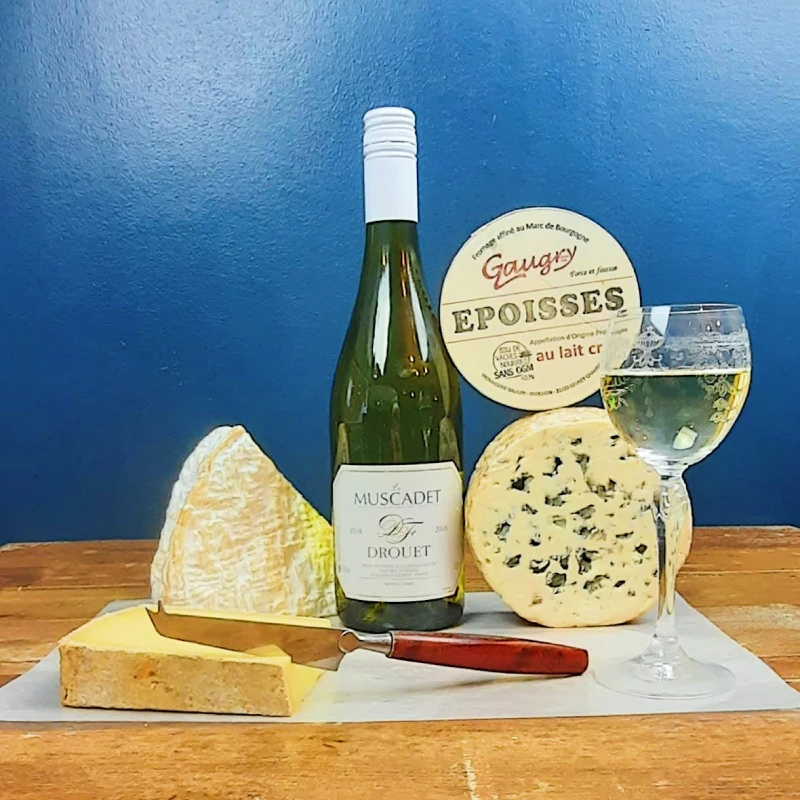
  • With a drink: soft cheeses like a light, fresh wine. Muscadet or a Blanc de Blancs with Brie, a dry rosé with goat’s cheese, and something with a bit of sweetness for the washed rinds.
Baron Bigod Brie oozing on a cheeseboard with fruit

Storing Soft Cheese

Keep it in the fridge, wrapped in waxed paper or the paper it came in, inside a box or a loosely closed bag. Cling film makes a ripening cheese sweat. A whole Brie-style cheese will keep for a couple of weeks and keep ripening; once cut, aim to finish it within four or five days. Fresh cheeses should be eaten by the date on the pack. We do not recommend freezing soft cheese. It survives, but the texture goes grainy and it never quite recovers.

Maida Vale ale-washed soft cheese from Village Maid

Soft Cheese FAQs

Is soft cheese safe during pregnancy?

Pasteurised soft cheeses with no rind, such as cream cheese, mozzarella, feta and ricotta, are fine. Mould-ripened cheeses like Brie and Camembert, soft blues and anything unpasteurised should only be eaten cooked until steaming hot. Every product page on our site says whether a cheese is pasteurised. Check the current NHS guidance or ask your midwife if you are unsure.

Why does my Brie smell of ammonia?

It is over-ripe. A faint whiff when you first unwrap it is normal and blows off in a few minutes. If it still smells sharp after that, the cheese has gone past its best. Buy a little less, a little more often.

Can you eat the rind?

Yes, on all of the cheeses above. The bloomy white rind on Brie and the orange rind on a washed-rind cheese are part of the cheese. The only rinds to leave are wax, cloth and anything you would not want to chew.

Which soft cheese should I try first?

Baron Bigod if you want a Brie done properly, Délice de Bourgogne if you want to be spoiled, Langres if you are feeling brave. Or let us choose: our Best British Cheese Hamper always has a soft cheese or two in it.

Soft cheeses stacked on the counter, Brie and washed-rind wedges

Ready to try some? Browse our soft cheese collection, everything cut to order and delivered fresh across the UK, or come and taste at the counter on Gillygate. We are open Tuesday to Saturday.

The Ultimate Wine and Food Pairing Guide

Wine pairing is not complicated. Match the weight of the wine to the weight of the food, and when in doubt, drink what grows near what you are eating. That is most of it. The rest is a handful of reliable combinations, which is what this guide is: the wine we would open with a Sunday roast, a barbecue, a pizza, a bowl of pasta and, because we are who we are, a cheeseboard. Every bottle mentioned is one you can buy from us.

If you would rather have the pairing done for you, our Dinner Party Packs put five wines with five matched cheeses, and the wine bundles are a good way to stock up.

Sunday Roast

The meat decides the wine. Everything else on the plate will get along with whatever you choose.

Roast beef carved on a board

Roast beef wants a medium to full-bodied red. Don’t Tell Gary, an Australian Shiraz, is jammy with cherry and blueberry and a lick of spice, and it is the bottle we sell more of than any other red. For something with a bit more grip and a French accent, Marcelino Rioja Crianza has the vanilla and dried fruit that beef loves.

Roast chicken

Roast chicken is happiest with a dry white that has a little texture. Laurel Vines Solaris, grown in East Yorkshire not far from the shop, is crisp with apple and elderflower and goes beautifully with a bird that has been in the oven a while. Vega Badenes Verdejo from Spain is the alternative if you like something rounder.

Roast lamb

Roast lamb is rich enough to take a bigger red. A Côtes du Rhône is the classic: juicy, fruity, a touch of cinnamon and nutmeg, and bold enough not to be flattened by the meat. Vino de Montaña, a mountain red from western Spain, does the same job with a bit more wildness.

Barbecue

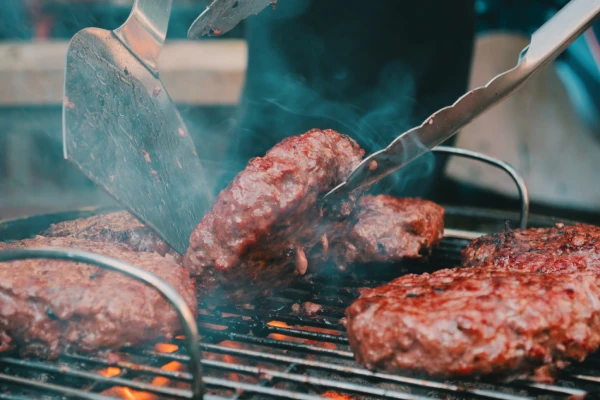
Burgers cooking on a barbecue

Burgers, sausages and anything charred need a red with fruit and a bit of smoke of its own. Don’t Tell Gary is the obvious call again. Malvasia Nera from Puglia is the one to try if you have not: soft, ripe, warm vanilla notes, and it takes a slight chill on a hot day. If you are putting cheese on those burgers, and you should, our burger cheese guide has you covered.

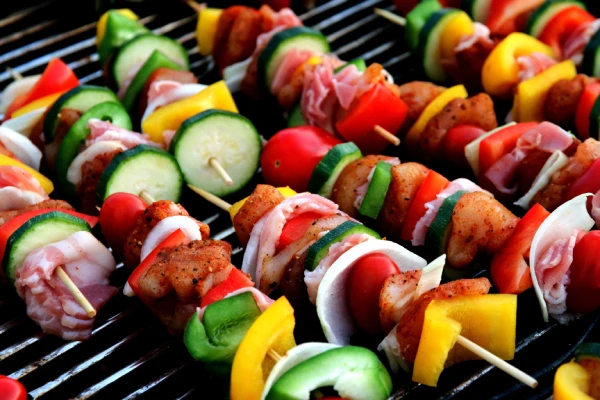
Vegetables on a barbecue grill

Chicken, fish, halloumi and veggie skewers want a dry rosé. Bieler Père et Fils from Provence is pale, fresh and floral with a mineral finish, and it disappears very quickly in the garden. Mesta Organic Rosé has a touch more fruit and stands up to a bit of spice.

Pizza

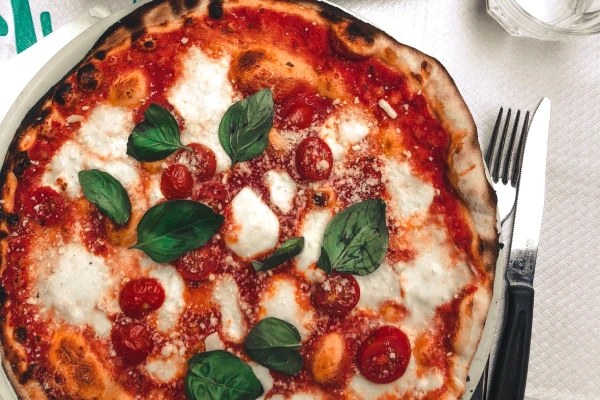
Pizza fresh from the oven

Pizza and Prosecco is a thing for a reason. Bubbles and tomato are friends. Our Spumante Rosé No. 7 from Baglietti is dry, fresh and pink, and it likes mushrooms and a soft, earthy cheese on the pizza. Taleggio, if you are asking.

Pizza with mozzarella and tomato

A dry rosé is the other easy answer. La Villa Rosé from Gérard Bertrand in the Languedoc has the cherry and strawberry that mozzarella and pepperoni both enjoy.

Slice of pizza

For a pizza heavy on greens, tomato and salad, go white and zesty. Muscadet is bone dry and bright and cuts through the acidity of tomato without a fuss.

Pasta and Rice

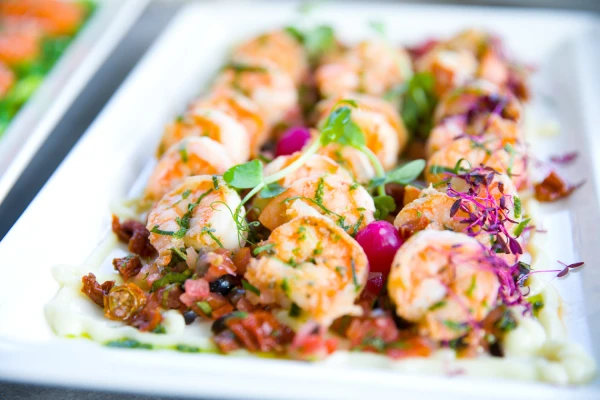
Seafood pasta

Seafood pasta, paella and risotto are made for a light, fresh white. Vega Badenes Verdejo is fruity and clean and made for exactly this. Muscadet works too, and Laurel Vines Solaris if you want to keep it Yorkshire.

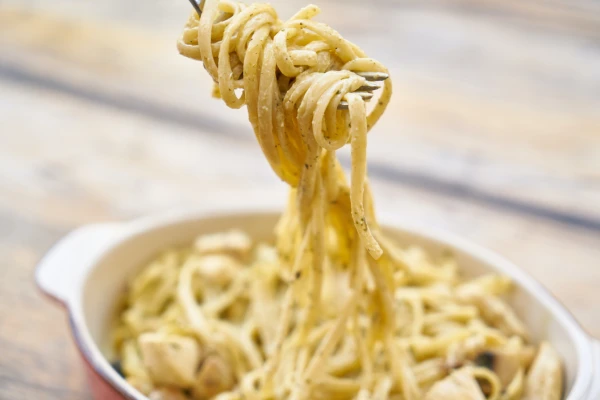
Spaghetti carbonara

Carbonara and other creamy dishes need a red with some body to match the richness. Ventopuro Carménère Reserva from Chile is dense and full, with blackberry and a hint of dark chocolate, and it does not get lost behind cream and cheese.

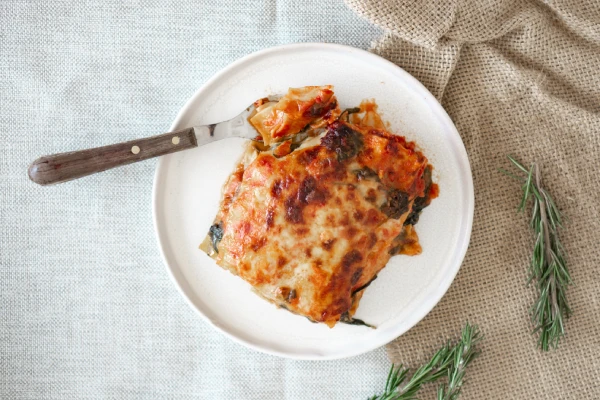
Lasagne

Lasagne, bolognese and anything tomato-based want an Italian red with a bit of earth to it. Malvasia Nera again, or Otra Tierra if you fancy a change. Both have the fruit to match the tomato and enough structure for the meat.

Cheese

We could write a book on this, and one day we might. The short version: soft cheeses like fresh whites and fizz, hard cheeses like fuller whites and medium reds, washed rinds like something fruity, and blue cheese likes something sweet. A good LBV port with Stilton is the pairing everyone knows and it has earned its reputation. Our cheese pairing guide goes into the detail, and our cheese selections are built to go with any of the wines on this page.

Wine Pairing FAQs

Red wine with fish: is it ever right?

Yes, with meatier fish like tuna or salmon and a lighter red served slightly chilled. With white fish, stick to white.

What wine goes with spicy food?

Something with a little sweetness and no oak. An off-dry rosé like Mesta, or a Riesling. Big tannic reds make chilli taste hotter.

Does the wine need to be expensive?

No. Every bottle on this page is one we drink at home. What matters is matching weight to weight, and opening it a little before you eat.

We hope this has you sorted for whatever is on the menu. If you cook one of these, tag @lovecheeseyork on Instagram, because we love seeing how you love cheese and wine. Browse the full wine shop or pop into Gillygate and let us find you a bottle.

Love Cheese x

The Best Cheese for Burgers: A Cheesemonger’s Guide

The best cheese for a burger is one that melts properly and has enough flavour to be noticed next to beef. For most people that means a mature Cheddar. For us it means Ogleshield, a Somerset cheese made for melting that we would put on every burger in the country if we could. This guide covers the cheeses that work, the ones that surprise people, how to get a perfect melt, and what to put on chicken and veggie burgers.

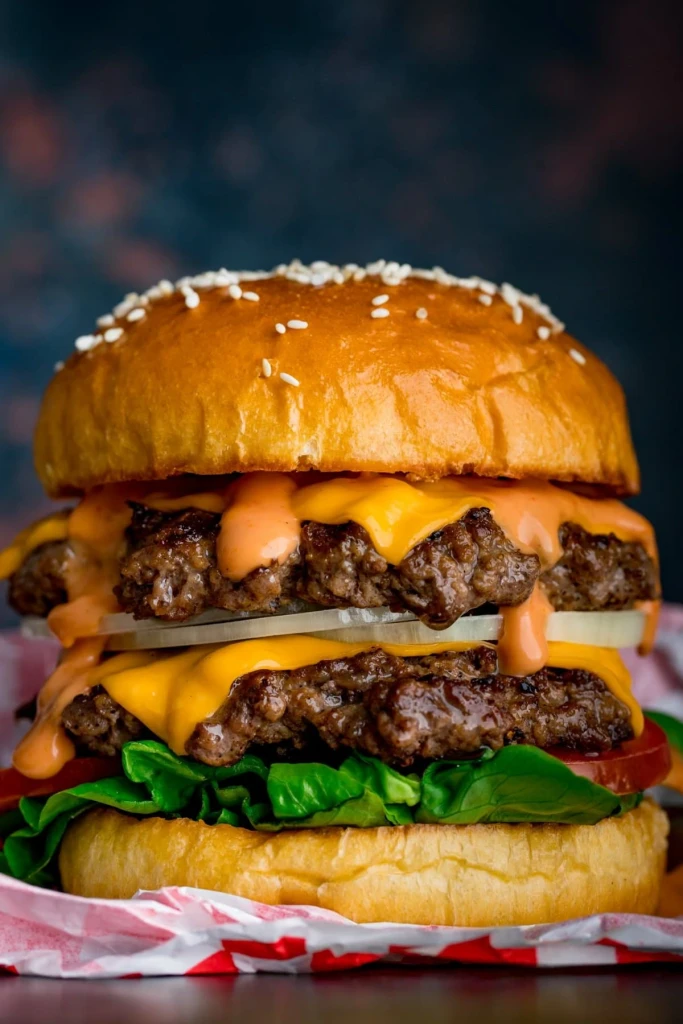
Double cheeseburger with melted cheese

Why the Cheese Matters

A burger is beef, bread and fat. The cheese is what ties them together: it adds salt, it adds richness, and as it melts it holds the toppings in place. Get it right and every bite tastes of the whole thing. Get it wrong, with something that will not melt or has no flavour, and you have paid for a slice of plastic. We would argue the cheese is the glue that holds the burger together, and we say that with a straight face.

The Cheeses That Work on a Burger

  • Mature Cheddar: the classic, and for good reason. Sharp enough to taste through the beef, and it melts into a proper blanket. Black Bomber is the one we sell most of and it is superb on a burger. For something with more farmhouse character, Keen’s from Somerset or Dale End from the North York Moors. A Charcoal Cheddar looks dramatic and tastes just like a good Cheddar should.
  • Ogleshield: made by the Montgomery family with Jersey milk in the style of a Raclette, which is to say it exists to be melted. Rich, savoury, a little funky, and it flows over a patty like nothing else. This is the cheesemonger’s burger cheese.
  • Gruyère: nutty, sweet and salty, and a brilliant melter. Gruyère Réserve is lovely on beef and even better on a chicken burger, where its sweetness has room to show.
  • Blue cheese: for people who like a burger to fight back. Crumble it on in the last minute so it softens without disappearing. Cropwell Bishop Stilton is creamy and rich, Sparkenhoe Shropshire Blue is a little gentler, and Gorgonzola Piccante is the bold one. Caramelised onions and rocket, always.
  • Brie: a thick slice of Brie or Baron Bigod, rind and all, melts into something close to a sauce. Add a spoon of onion marmalade and you have the best posh burger you have ever made.
  • Taleggio: the Italian washed-rind cheese that melts like mozzarella but actually tastes of something. Try it on a mushroom or a veggie burger.
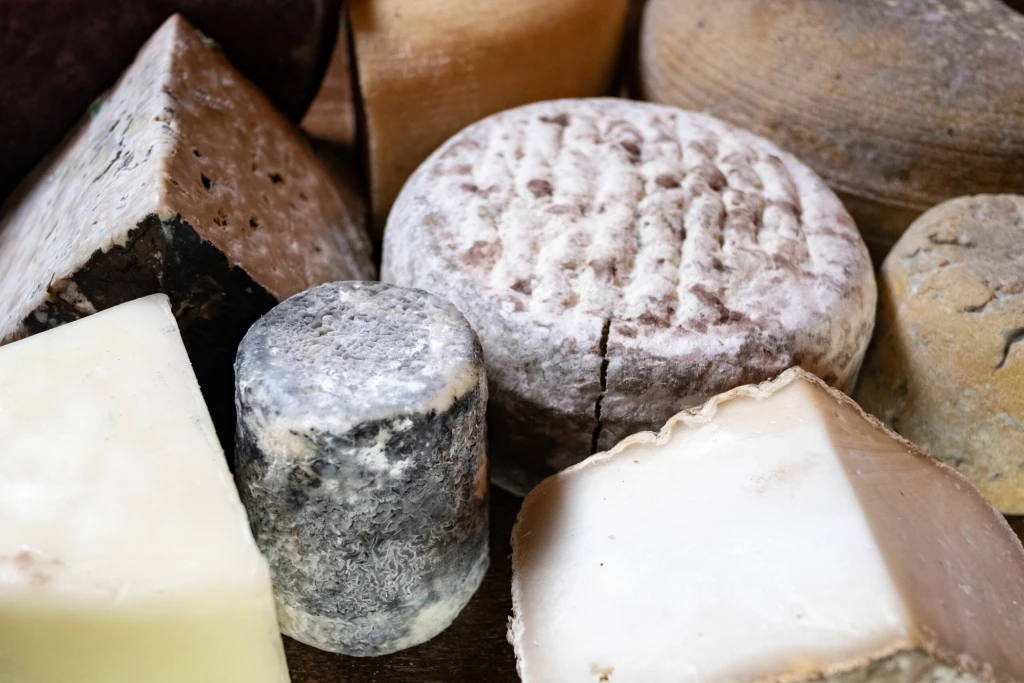
Assorted artisan cheeses with natural rinds on the counter

Best Cheese for Burgers at a Glance

  • Classic beef burger: mature Cheddar or Ogleshield.
  • Smash burger: Ogleshield, or a younger Cheddar sliced thin so it melts in seconds.
  • Chicken burger: Gruyère or Brie.
  • Lamb burger: a crumbly blue, or a soft goat’s cheese like Driftwood.
  • Veggie or mushroom burger: Taleggio, Brie, or a smoked cheese like Smoked Westcombe.
  • Showing off: Stilton with onion marmalade, or Truffle Baron Bigod if it is a special occasion.

How to Melt Cheese on a Burger

  • Take the cheese out of the fridge first. Room-temperature cheese melts evenly. Cold cheese melts at the edges and stays solid in the middle.
  • Slice it, do not grate it. A slice the size of the patty and about the thickness of a pound coin. Grated cheese falls off.
  • Add it in the last minute. Flip the burger, lay the cheese on, then cover the pan with a lid or an upturned metal bowl. The trapped steam melts the cheese before the patty overcooks. A splash of water in the pan before the lid goes on speeds it up.
  • Keep aged cheese away from fierce heat. A very mature Cheddar or Parmesan will split and go oily if you blast it. Lower heat, lid on, patience.

Burger Cheese FAQs

What is the best cheese for burgers in the UK?

Mature Cheddar is the UK favourite and it deserves to be: it melts well and has enough flavour to stand up to beef. If you want to go one better, Ogleshield melts more smoothly and tastes richer. Both are on our counter.

What cheese melts best on burgers?

Younger cheeses with more moisture and fat: Ogleshield, Gruyère, Taleggio, Brie and a mild to medium Cheddar. Very aged cheeses will melt but can turn oily if overheated.

What is the best cheese for smash burgers?

Something that melts the moment it touches the patty, because a smash burger cooks in a couple of minutes. Ogleshield is ideal. A thin slice of a younger Cheddar works too. Avoid crumbly cheeses; they will not have time.

What is the best blue cheese for burgers?

Stilton for a creamy, rich melt, Shropshire Blue for something a touch milder, Gorgonzola Piccante if you want a proper punch. Pair any of them with caramelised onions and peppery leaves.

What should I drink with a cheeseburger?

A juicy red with a bit of spice. Don’t Tell Gary Shiraz is our house choice for anything off the barbecue. Or a cold pale ale from Brew York.

Ready to upgrade your burger? Browse our hard cheeses and blues, everything cut to order and delivered fresh, and tag us on Instagram with the results. We love a good burger picture.

A Guide to French Cheese: The Classics and What to Drink with Them

France makes more than a thousand cheeses, and the reason is the land. Alpine pastures give you Comté and Beaufort, the damp meadows of Normandy give you Brie and Camembert, the limestone of the south gives you Roquefort and goat’s cheese. This guide takes you round the country, picks out the cheeses worth knowing, and tells you what to drink with each. It also tells you which ones are on our counter on Gillygate right now.

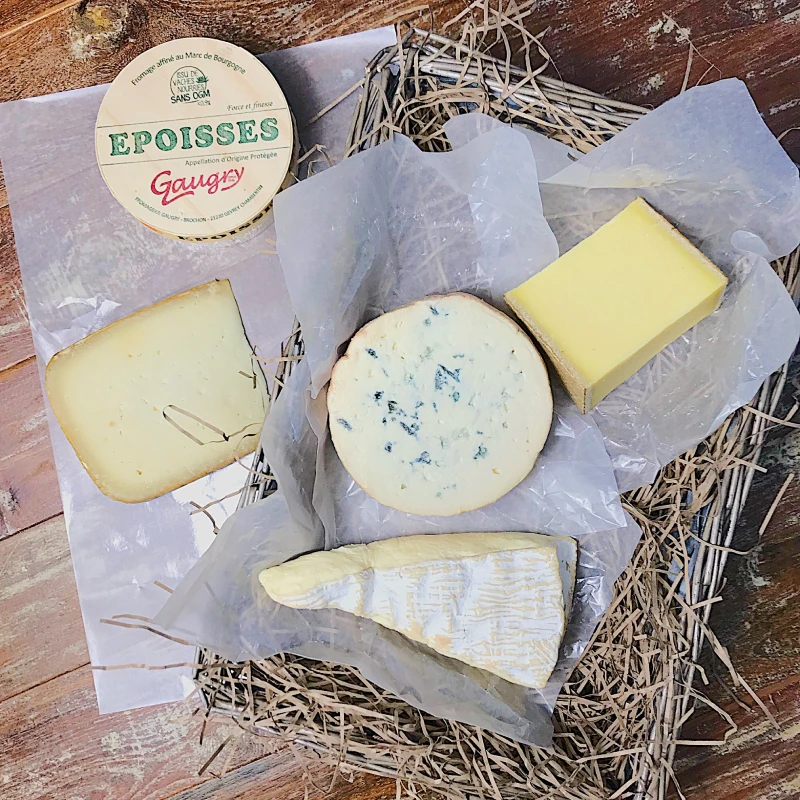
French cheese selection with Epoisses, Comte, blue and Brie wrapped in paper on straw

French Cheese by Region

  • The Alps and the Jura: big wheels of cooked, pressed cheese built to last a mountain winter. Comté is the one to know: ours is aged 24 months, nutty and brothy with a crunch. Beaufort, Abondance and Reblochon come from the same hills.
  • Île-de-France and Normandy: the home of the bloomy rind. Brie de Meaux, Brie de Melun, Camembert and Pont-l’Évêque are all soft, rich and made for a baguette. Our French Brie is the everyday version; Brie de Meaux itself is out of stock while raw-milk cow’s cheese imports from France are paused.
  • Burgundy and Champagne: washed-rind cheeses with orange rinds and a big aroma. Langres, with its dimpled top made for a splash of Champagne, and Époisses are the famous ones. Délice de Bourgogne, the triple-cream cheese, comes from here too and is the most indulgent thing we sell.
  • The Auvergne: France’s blue cheese country. Fourme d’Ambert is tall, mild and creamy, one of the gentlest blues there is. Bleu d’Auvergne is bolder, buttery with a proper tang. Roquefort, the sheep’s milk blue from the caves further south, is the big brother of both.
  • The Basque Country and the Pyrenees: sheep’s milk cheese made to a recipe the Basques say has not changed in thousands of years. Ossau Iraty is firm, nutty and faintly sweet. Eat it with black cherry jam, as they do at home.
  • The Loire: goat’s cheese, in every shape you can think of. Valençay, Crottin de Chavignol, Selle-sur-Cher and Sainte-Maure, each a little chalky, lemony log or pyramid, often rolled in ash. The freshest of them are wonderful with a glass of Sancerre.

If you would rather taste your way round than read about it, our Bon Appétit French Cheese Selection brings five of them together: Langres, Brie, Ossau Iraty, Comté and Fourme d’Ambert. It is the box we send to people who tell us they do not know where to start.

French Basket

Pairing French Cheese with Wine

The French rule is simple: what grows together goes together. A few pairings that never let us down:

  • Brie and Délice de Bourgogne with something crisp and fresh. Muscadet, or a Blanc de Blancs if it is a celebration. The bubbles cut through the cream.
  • Comté with an oaked white, or a lighter red. It is one of the few cheeses that is happy with both.
  • Langres and other washed rinds with a red that has some fruit and a little spice, like a Côtes du Rhône. Or, as the locals do, a glass of Champagne poured into the top of the cheese.
  • Fourme d’Ambert and Bleu d’Auvergne with something sweet. A dessert wine or a tawny port. Salt and sugar, the oldest trick in the book.
  • Ossau Iraty with a Basque red, or failing that a Rioja from over the border.
  • Loire goat’s cheese with Sauvignon Blanc, Sancerre if you can, or a dry southern French rosé.

Storing and Serving French Cheese

Keep cheese in the fridge wrapped in waxed paper, never cling film, and take it out an hour before you serve it. A cold Brie is firm and dull; at room temperature it relaxes and tastes of something. Use a separate knife for each cheese so the blue does not end up in the Brie, and serve them mildest to strongest: Comté, then Brie, then Langres, then the blue. Bread rather than crackers for the soft ones. The French would not dream of putting Brie on a cracker.

French Cheese FAQs

What is the most popular French cheese?

Comté, by volume, in France itself. In Britain it is Brie, and Camembert not far behind. On our counter Comté and Délice de Bourgogne fight it out every week.

Are French cheeses pasteurised?

Many of the traditional ones are made from raw milk, including Comté, Brie de Meaux and Roquefort. Others, including the Brie we currently sell, are pasteurised. Every product page on our site says which, and it matters if you are pregnant, so do check.

Why are some French cheeses hard to get at the moment?

Imports of raw-milk cow’s cheese from France into the UK have been paused for animal-health reasons, which is why Brie de Meaux is out of stock and we are stocking a pasteurised Brie instead. Sheep’s and goat’s milk cheeses and pasteurised cheeses are unaffected. We will have the raw-milk ones back the moment we are allowed.

What French cheese makes a good gift?

Our Taste of France gift basket pairs French cheeses with a bottle to match, and the Bon Appétit selection above is the one for someone who just loves cheese.

Every French cheese mentioned here, when it is in season and in stock, lives in our French cheese collection. Cut to order, delivered fresh across the UK, or come and try them at the counter in York.

10 Hard Cheeses Everyone Should Know

Hard cheese is cheese that has been pressed and aged long enough to lose most of its moisture, which is what gives it a firm texture and a deep, concentrated flavour. It is the family that includes Cheddar, Comté, Manchego and Parmesan, and it is where most people start their cheese journey and where a lot of them end up. Here are the ten we think everyone should know, with what to look for and what to drink alongside.

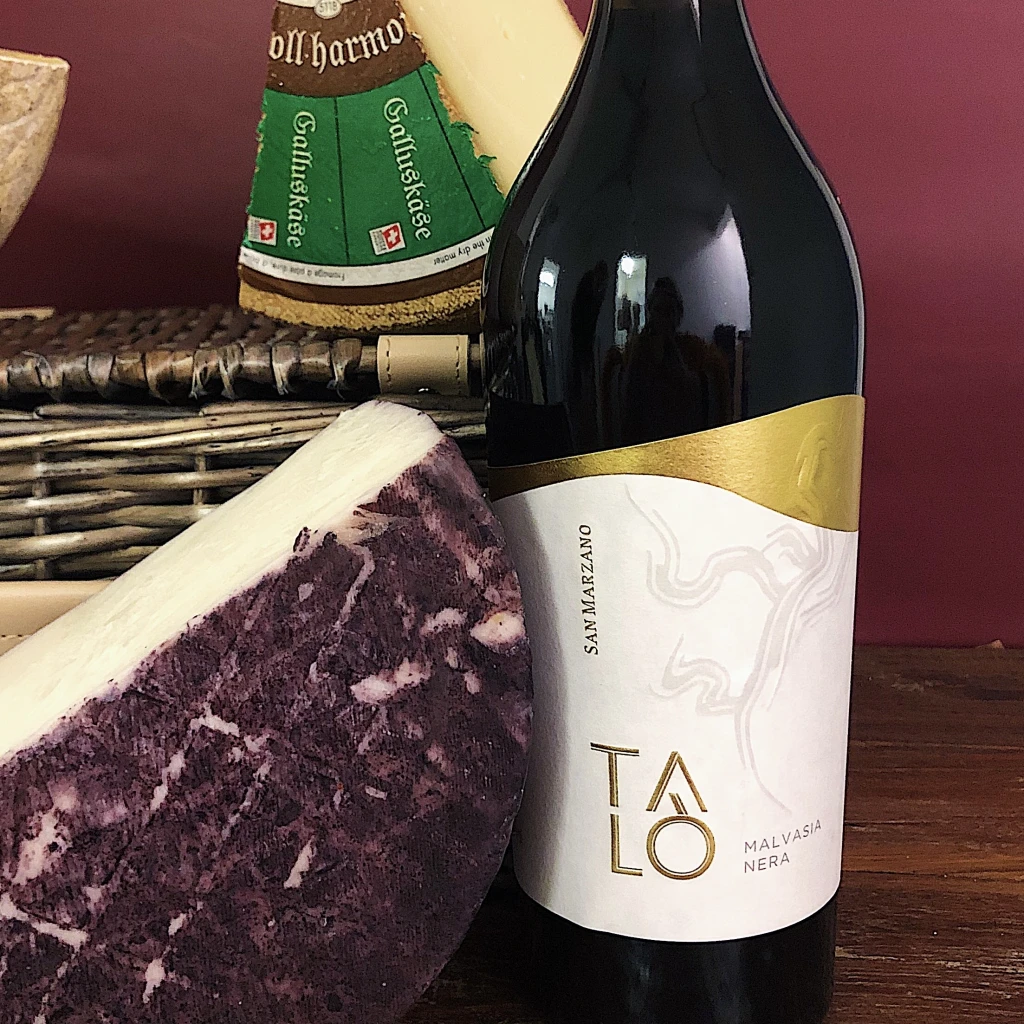
Murcia al Vino Drunken Goat hard cheese with a bottle of Talo Malvasia Nera

What Makes a Cheese Hard?

Time and pressure. After the curd is cut it is pressed to squeeze out whey, then left to mature for anything from six months to three years. As the water leaves, the flavour that is left behind gets stronger and the texture goes from smooth to crumbly to crystalline. Those little crunchy crystals in an aged Comté or Gouda are not salt. They are amino acids that form as the cheese ages, and they are a very good sign.

The maturing is called affinage, and the person who does it is an affineur. It is a proper craft. The same young wheel can turn into two quite different cheeses depending on who looks after it.

The Ten Hard Cheeses to Know

  1. Comté: the French Alpine classic, made in huge wheels from raw cow’s milk in the Jura. Ours is aged 24 months, so it is nutty, brothy and just starting to crunch. If you only buy one cheese on this list, buy this one.
  2. Keen’s Mature Cheddar: cloth-bound Somerset Cheddar from one of the three farms still making it the traditional way. Sharp, earthy, a bit of a tang at the end. Nothing like the block in the supermarket. Montgomery’s is its neighbour and rival, and we sell both so you can pick a side.
  3. Gruyère Réserve: Swiss, sweet and salty at the same time, and the best melting cheese there is. Fondue, gratins, a proper croque monsieur. Aged longer than the standard Gruyère, so it holds its own on a board too.
  4. Manchego Curado: Spain’s sheep’s milk star, from the plains of La Mancha. Buttery and nutty with a slightly grassy finish. Slice it thin with a little quince paste and a glass of Rioja.
  5. Pecorino Romano: salty, sharp sheep’s milk cheese from Italy that was built for grating. It is the cheese in a real carbonara or cacio e pepe. Not a board cheese, but a kitchen essential.
  6. Parmigiano-Reggiano: the king of Italian cheeses, granular and rich, aged for at least a year. Keep the rinds for soups and stocks. When we want an Italian hard cheese for the board rather than the grater, we reach for our Italian Cheese Selection instead.
  7. Cornish Kern: the aged, black-waxed sibling of Cornish Yarg and a former World Cheese Awards champion. Dense, fruity, nutty and savoury all at once, somewhere between a Gouda and an Alpine cheese. A British cheese to be proud of.
  8. Ogleshield: made by the Montgomery family with Jersey milk, in the style of a Raclette. It melts better than anything else on this list and is the cheese we put on our own toasties. Try it once and you will not go back.
  9. Ribblesdale Mature Goat: Yorkshire’s own goat’s Gouda, made in the Dales and aged in the Netherlands for that authentic waxy, caramel sweetness. A brilliant alternative if cow’s milk does not agree with you, and vegetarian.
  10. Wyfe of Bath: a Gouda-style cheese from Somerset, made with organic milk, sweet and grassy with a gentle bite. The one we hand to people who say they want “something different but not weird”.

Honourable mentions from the counter: Black Bomber, the Welsh extra mature Cheddar that outsells nearly everything else we stock, Doddington from Northumberland, and Yorkshire Pecorino, made in Leeds by an Italian cheesemaker who missed home.

What to Drink with Hard Cheese

Hard cheeses have enough weight to stand up to a bigger drink. A rich white like an oaked Chardonnay is lovely with Comté and Gruyère. Cheddar wants something with a bit of grip: a Shiraz, a Côtes du Rhône or a good pale ale. Manchego and Rioja are made for each other. Aged Gouda and Kern go beautifully with a tawny port, and a very aged Cheddar with a dram of whisky is one of the great pairings that nobody talks about enough.

Cooking with Hard Cheese

Grate Parmesan or Pecorino over pasta, melt Gruyère or Ogleshield into gratins and toasties, and put a proper mature Cheddar into your cauliflower cheese or on top of a shepherd’s pie. Aged cheeses can go oily if you blast them, so add them at the end and keep the heat gentle. And keep the rinds. A Parmesan or Comté rind dropped into a soup or a risotto stock adds more flavour than most things you could buy in a jar.

Hard Cheese FAQs

How long does hard cheese keep?

Weeks, if you look after it. Wrap it in waxed paper rather than cling film, keep it in the fridge and cut off any surface mould that appears. A little mould on a hard cheese is not a problem.

What are the crunchy bits in aged cheese?

Tyrosine crystals, which form naturally as the proteins break down over a long maturation. They are a sign of age and quality, not a fault.

Are hard cheeses vegetarian?

Some are, some are not. Parmesan, Pecorino Romano, Manchego, Comté and Gruyère all use traditional animal rennet. Many British hard cheeses, including Black Bomber, Wyfe of Bath and the Ribblesdale goat cheeses, use vegetarian rennet. Every product page on our site says which. Our vegetarian cheese guide has the full list.

Ready to taste them? Browse our hard cheese collection, all cut to order and delivered fresh, or come and try before you buy at the counter on Gillygate.

The Perfect Christmas Cheeseboard with Love Cheese

When it comes to festive feasting, nothing says Christmas indulgence quite like a perfectly curated cheeseboard. It’s the centrepiece that brings everyone together — something to linger over, nibble from, and share stories around.
This year, make your Christmas cheeseboard extra special with a little help from Love Cheese — York’s home of artisan cheeses, fine wines, and all things delicious. Whether you’re hosting a cosy family gathering or a grand festive bash, here’s everything you need to create a show-stopping cheeseboard using some of our favourite products from lovecheese.co.uk.
christmas bookings

A great cheeseboard is all about variety — mixing textures, milk types, and flavours so every guest finds their favourite.

? Soft & Creamy

You can’t go wrong with a buttery Brie de Meaux or a local soft goat’s cheese. Spreadable, rich, and oh-so-moreish, these cheeses set the tone for indulgence.
? Shop our Soft Cheeses

? Hard & Aged

For a stronger, nuttier option, try the 24-Month Comté — a crowd-pleaser with crystalline texture and deep caramel notes. It’s the cheese that keeps you coming back for “just one more bite.”
? Explore our Hard Cheeses

? Blue & Beautiful

No Christmas cheeseboard is complete without a blue! We love Cropwell Bishop Stilton — rich, creamy, and beautifully balanced with a little festive sweetness.
? Browse our Blue Cheeses

? Something a Little Different

Add a tangy Yorkshire Pecorino Fresco or a soft goat’s log to surprise your guests. These bring a lovely freshness that lifts heavier festive flavours.
? See our Goat & Sheep Cheeses

A cheeseboard is only as good as its accompaniments — and luckily, Love Cheese has plenty to choose from.

  • Crackers & Breadsticks – Add texture with a mix of plain and seeded varieties.
  • Chutneys & Jams – Our Tracklements Fig Relish or Cranberry, Port & Orange Chutney are absolute musts.
  • Fruit & Nuts – Grapes, figs, dried apricots and candied walnuts look beautiful and taste even better.
  • Charcuterie – We might be called Love Cheese, but our cured meats deserve a mention! Pop in for some premium prosciutto or salami to round out your board.

? Stock up on accompaniments here

christmas cheese selections
Summer Wines

What’s cheese without a little wine? (That’s a rhetorical question.)

  • Sparkling wines like Prosecco or Verdiso make Brie and soft cheeses sing.
  • Full-bodied reds like Rioja or Malbec bring out the best in Comté and aged cheddar.
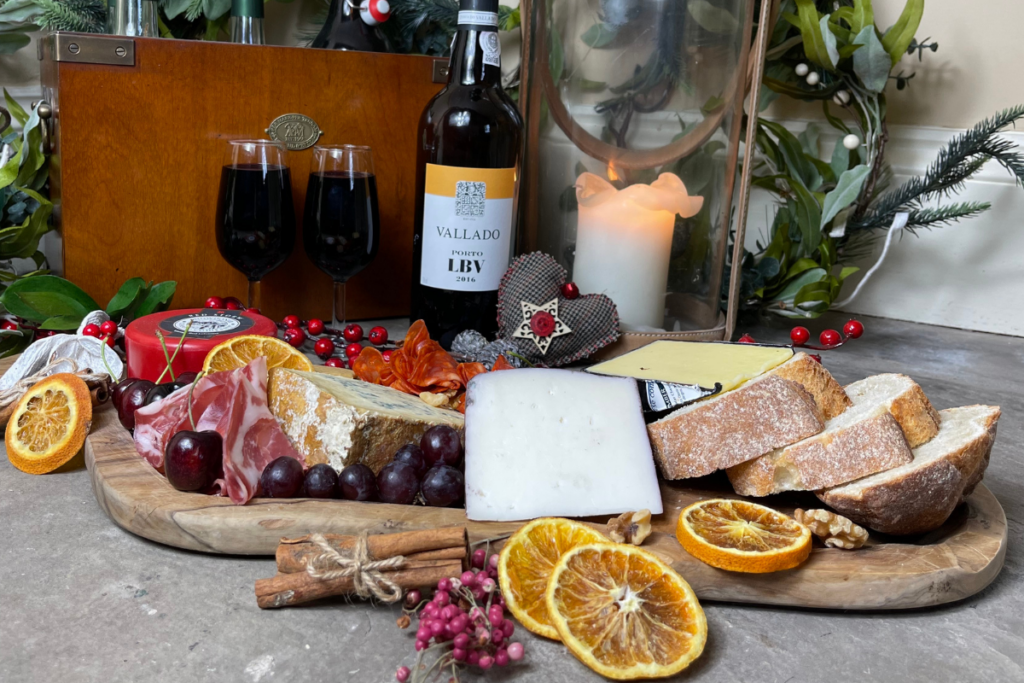
  • Sweet wines or port are the ultimate match for blue cheese — rich, luxurious, and oh-so Christmassy.

? Explore our full Wine Selection

Short on time? Love Cheese has you covered with beautifully curated boxes that take the guesswork out of cheeseboard planning.

  • ? The Small British Selection Box – a celebration of local classics
  • ? The Warming Bonfire Box – perfect for cosy evenings and winter nights
  • ? Christmas Selection Box – the ultimate festive tasting experience

Each one comes hand-picked by our expert cheesemongers and ready to unwrap.
? Discover our Cheese Boxes & Gifts

chritsmas cheese selection 1

Building the perfect Christmas cheeseboard is all about balance — a little sweet, a little savoury, and a lot of love. With a few great cheeses, some thoughtful accompaniments, and a glass (or two) of wine, you’ll have a spread that’s worthy of the season.

So, pop onto lovecheese.co.uk, fill your basket, and get ready to cheese the season with style. ??

How to Enjoy a Love Cheese Dinner Party Pack

Our dinner party packs are the perfect way to celebrate any occasion; from birthdays to Thursdays – there’s no limit to when you can – or cannot – use them. Complete with 5 bottles of wine and 5 perfectly paired kinds of cheese, this is the perfect way to try new cheeses, discover new wines and experience a new way to enjoy a wine and cheese tasting.

We’ve put together this short and sweet guide to help you get the most from your Dinner Party Pack. From start to finish, we’re here to help you every step of the way to make sure your cheese-filled evening is absolutely perfect!

summer wines

Perfect for any occasion

When to get one…

Dinner Party Packs are a Love Cheese way to enjoy wine and cheese! They are designed to work as a cheese tasting for anywhere from 6 to 10 people, or to be used for a wine and cheese evening! They’re there to enjoy with good company for special occasions or just because… with 300 grams of each cheese and 5 bottles of wine, you’ll have plenty to enjoy!

9

What to do once you’ve got one…

10

Spread it out!

When you first open your party pack, we recommend laying out all your cheeses and wines to check them all out. Why not even slice up your cheeses to easily try them all out.
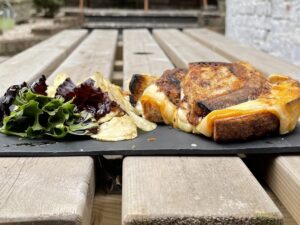
This is also a great time to get to know your pairings menu. Our guides are written to enjoy each cheese and wine pairing in order, starting with mild and finishing with the strongest flavours. Each pairing has a detailed list of flavours and aromas, so it’s also a great way to learn more about what you’re about to try!

If you’re doing this as a tasting, spreading out your cheeses and learning more about the order they go in can help you decide how you want to build your cheese board. It also means that after you unwrap your cheeses you can still know which cheese is which and what to try when.

Time to decorate…

Once you’ve got your cheeses laid out, it’s time to add some colour to your board. We have a whole blog on how to build the perfect cheese board which you can read here. 

In a nutshell, we recommend adding cured meats, crackers, and chutney to your board to start. Our charcuterie selection offers plenty of options that pair beautifully with cheese. Then take it one step further and complete your party pack with fresh fruits, veggies, and nuts. These extra treats will add a delicious contrast of flavour and texture to your cheeses, and also bring some colour to your cheese selection.
You can also include honey or bread to your boards – these are a great addition that pushes expectations!

12
11

Take your Time

Finally, it’s time to enjoy your Dinner Party Packs! 

Use your pairings guide to try each cheese and wine in order to get the most out of your party pack. We recommend trying each cheese and wine separately to get to know the flavours, and then together to see how they interact with one another. If you’re feeling like going the extra mile why not grab a notepad and pen and write down your favourites?

You can also just use these to have a wine and cheese spread, it doesn’t necessarily need to be a tasting. You can just lay them out with their descriptions and enjoy them as a spread in good company.

We have loads of different varieties of Dinner Party Packs… Have a look through and pick your favourite!
event image

And enjoy! You now have everything you need to create the ultimate cheese and wine night! How will you party?

Let us know on our socials @lovecheeseyork , we can’t wait to see!

Things to try at the Secret Garden…

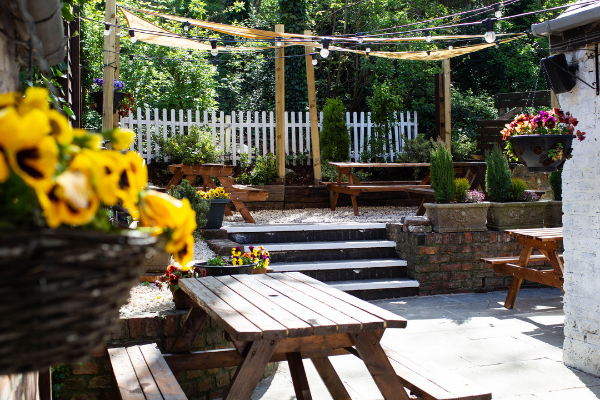
Welcome to the Secret Garden…

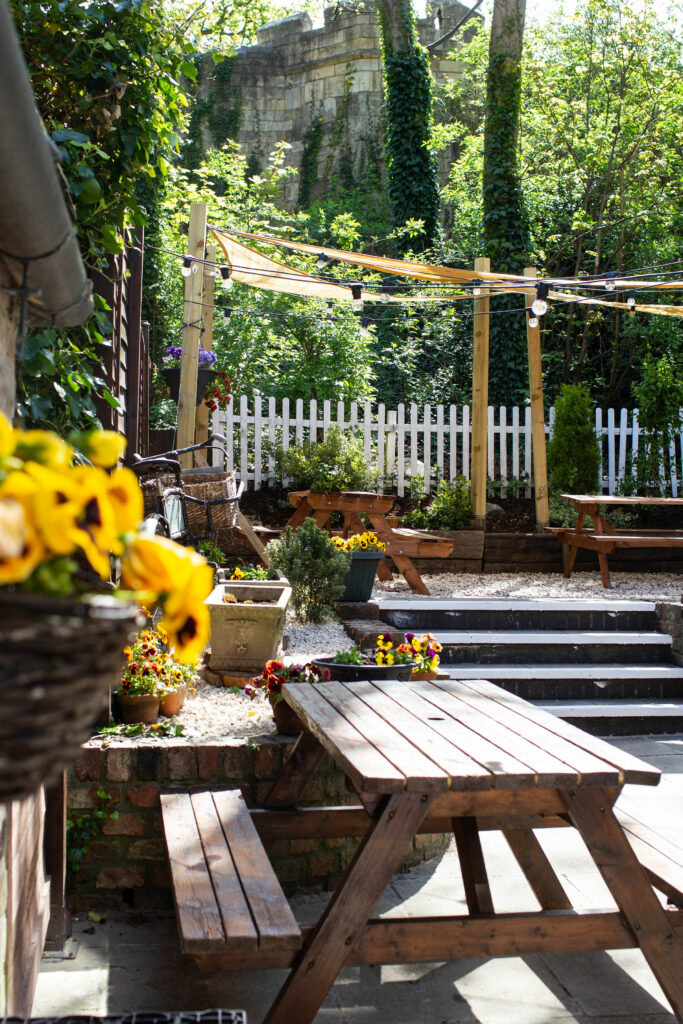
Here at Love Cheese, we are obsessed with all things cheese and wine orientated, and if you’ve never visited our Secret Garden then you are seriously missing out!

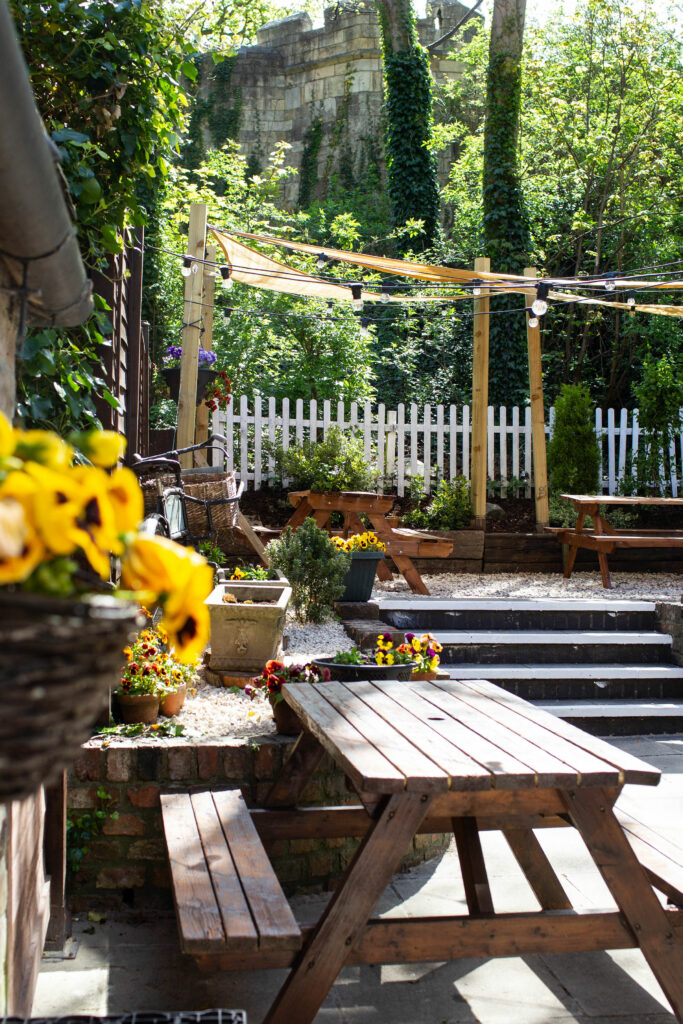
Situated under the gorgeous York Bar Walls, the Secret Garden has a lot to offer (and it’s all delicious!). Our menu is full of fun and flavour, but if you’re visiting us for the first time there are a couple of special items that we recommend giving a go.

Dive knife and fork first into this guide to get all the insider tips for all things Secret Garden-related, ranging from specialties to staff favourites…

Day Party

What better way to enjoy wine and cheese than nestled away in the Secret Garden?

Our Speakcheesey and Secret Garden Specialities

5-course wine and cheese pairing

If you’re joining us with a friend, why not try our 5 courses tasting for 2? Enjoy an in-depth cheese and wine experience with 5 different portions of perfectly paired cheese and wine. Our expert staff will guide you through each serving with unique flavours and aromas, allowing you to discover more cheese and more wine.

968ce29b 9e0a 44da ac47 ecead29b83f2
IMG 1400

Build your own cheese board

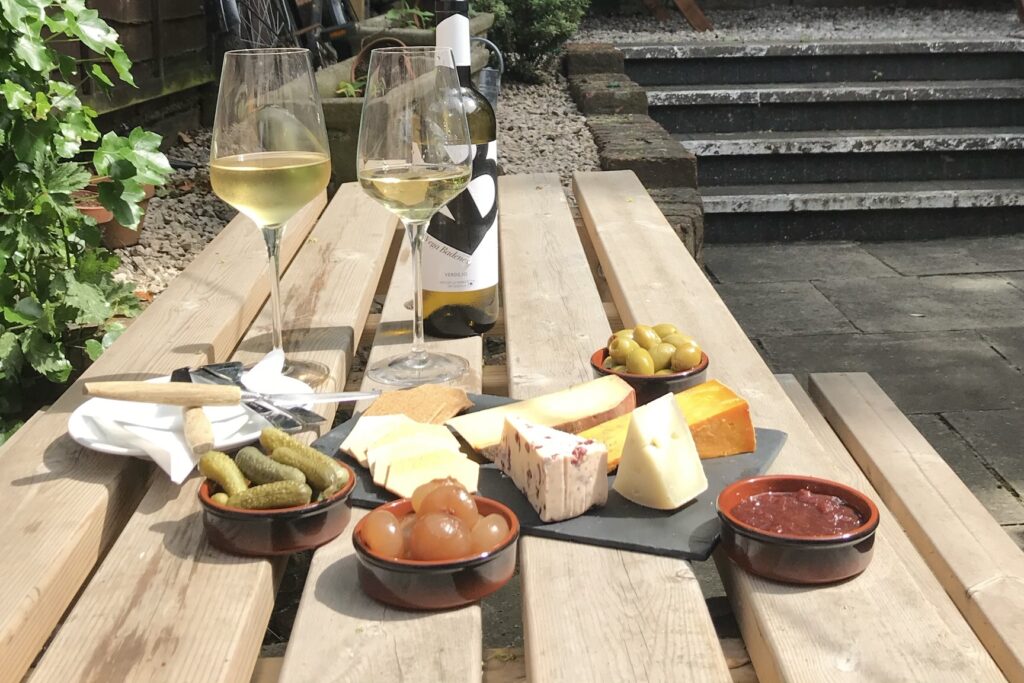
Why not go all out and create your own cheese board? With our cheese boards, you can choose 3, 4, or 5 pieces of cheese from our variety of styles. We have loads to choose from, so sometimes that can be a little overwhelming – If you need a little guidance then speak to a member of staff and they will help you choose a selection of cheeses based on what you like. Just to make all of this better, we can even match a bottle of wine to your cheese to make a fantastic pairing! Complete with crackers, chutney, and other picky bits, this is the perfect treat for any foodie.

Grab a toastie

You can’t get much better than a cheese toastie – and we love to load up our toasties with all the cheese and all the extras. We have a few toasties to choose from and they come with salad and crisps for good measure. Our toasties also go great with a beer or a soft drink depending on your mood.

IMG 1818
pizza party

Enjoy a pizza

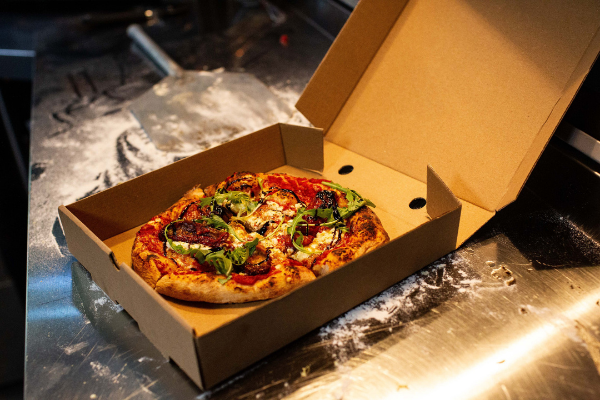
If you’re visiting us on Friday or Saturday, why not try one of our delicious handmade pizzas? Choose from 3 different styles, all complete with a refreshing dressed salad, it’s the perfect dish for adding some flavour to your weekend! On a Friday, you can also partake in our Fizzy Fridays’ offering where you can get a bottle of prosecco and 2 pizzas for £32! Talk about bang for your buck!

Staff Favourites to enjoy in the Secret Garden

One thing we all have in common at the SpeakCheesy is, you guessed it, we love cheese! We thought we’d share a few of our favourites to give you some inspiration for the next time you visit….

Jordan’s Favourite – Shop manager Jordan is a cheese lover through and through, and his favourite is undoubtedly a classic cheese board. Complete with a variety of mature and creamy flavours, olives, and balsamic onions, this is the ultimate board for someone who is obsessed with the big and the bold.

Maddie’s favourite – When it comes to a lunchtime treat, there’s nothing quite like a classic toastie. Maddie’s favourite is the ‘Eweloomi’, a fried ewes milk halloumi style cheese with a generous helping of sweet chilli jam. Your toastie comes alongside a handful of crisps and a delicious dressed salad, making it the perfect option for anyone who’s looking for a quirky take on a classic.

Mya’s favourite – There’s nothing quite like a pizza in the Secret Garden, and Mya’s favourite is something special. Our Smoked Westcombe, venison salami, and red onion marmalade pizza is the ultimate option if you’ve been searching for a flavour-filled dish. This pizza is creamy, mature, and absolutely delicious, it’s a must-try meal!

Emma’s favourite – If all you fancy is some picky bits and bobs, Emma’s choice might be the best for you! Emma loves a delicious locally made pork pie and chutney alongside a helping of bread and butter and a charcuterie board. This is a great choice if you’re wanting to treat yourself to something simple yet superb. A real treat!

lovecheese2021 apr garden 6 1

We hope this guide has given you some ideas for when you next visit our secret garden. We hope to see you very soon!

Happy eating!

Love cheese x

Written by Maddie Bricklebank

The Perfect Day in York

Summer is just around the corner… And with the temperamental British sunshine, York comes alive.

Bustling with people, food and good times, the sunshine also brings with it tourists from all over the globe looking to experience this beautiful, historic city. It can be overwhelming knowing where to go and what to see outside of the classic tourist spots. 

Yes, the Minster is stunning and a must see. Yes, the York walls are incredible, and walking around them is a great day in and of itself. And, of course, Betty’s Tea Rooms is undeniably, quintessentially British and popping in for afternoon tea is a wonderful afternoon. But, York is a hub of great food and great drinks!

So, once you have seen all the must-see sights, it’s time to delve into everything else York has to offer, and that’s where we come in… Here is how we would spend our perfect day in York.

york 1

In t’ Mornin’

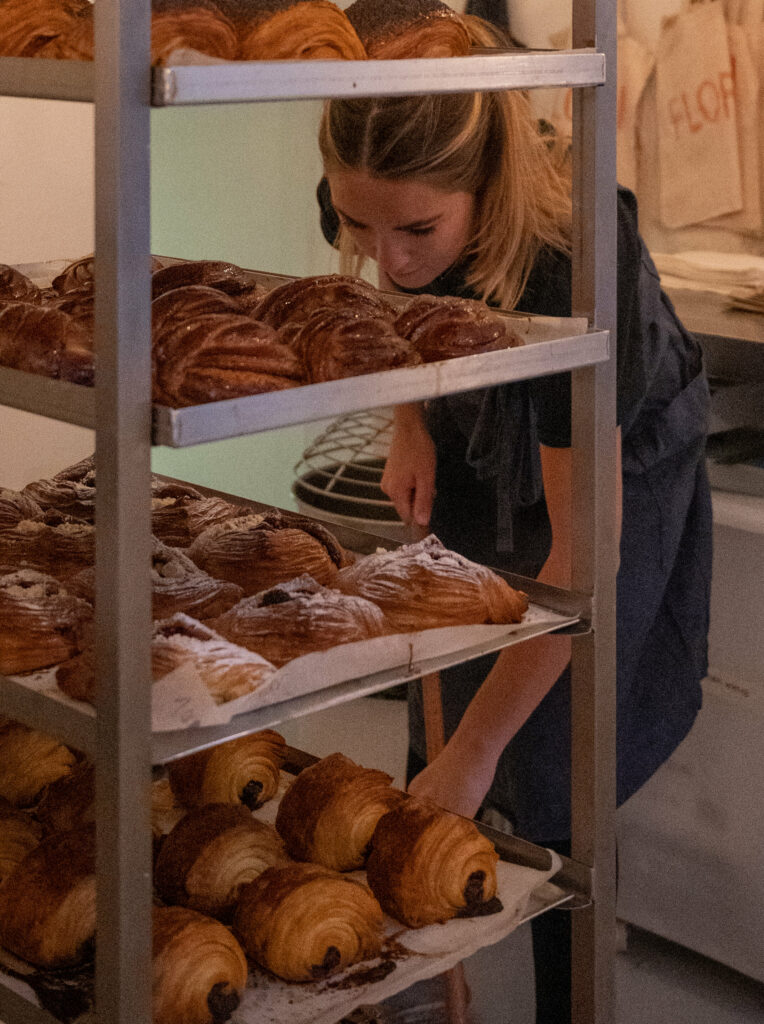
The best way to start your perfect day is with coffee and a pastry. And when we think pastry, we think Flori. They bake all their pastries fresh in the morning and sell until they’re sold out! Based on Nunnery Lane, Flori is worth the short walk outside the city walls as their seasonal bakes are mouth-wateringly delicious. 

Their pastries are only made better by their coffee… and really there’s no better duo in the morning! We recommend grabbing a coffee and selecting a few pastries to try and taking them down to the river to enjoy.

While you are on this side of town, however, Bishopthorpe Road is a wonderful place. With so many lovely, unique shops. It’s definitely worth taking a moment and checking them out – The Bishy Weigh and Noun are great shops to have a peruse around! 

FloriBakery17
stonegate york england 6056 jack schultz

Late Morning / Early Afternoon

Depending on the time you start your day

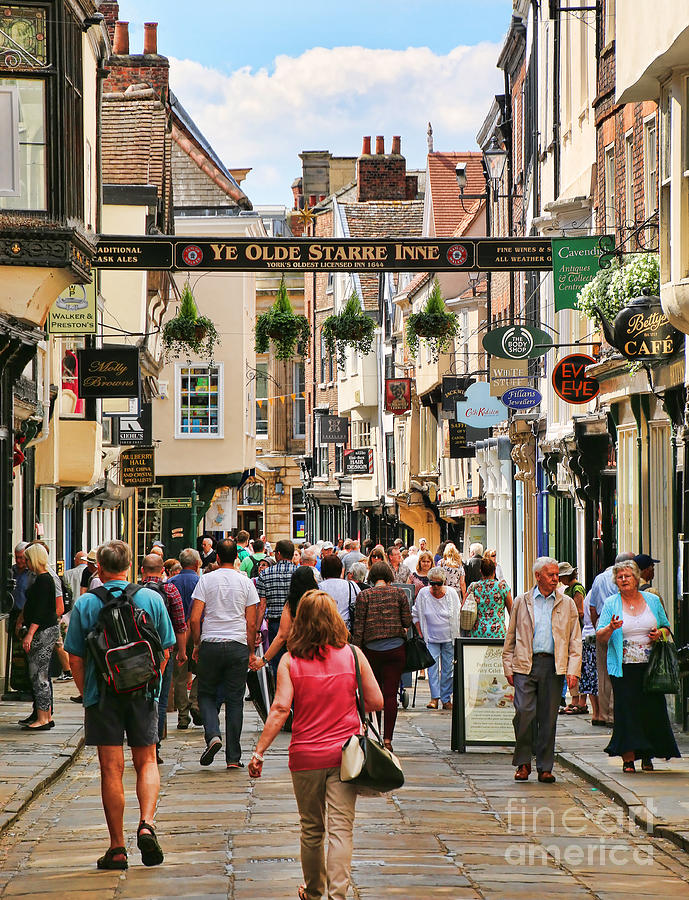
After fueling up on coffee and cakes, and taking a little stroll by the river, the next step in enjoying the perfect day in York is to take a stroll around the shops… And two of our favourite streets would have to be Stonegate, and Lower Petergate. 

These streets have the perfect shops to window shop, peruse and even buy gifts for loved ones back home. On Lower Petergate, Shared Earth is just 1 minute from the minster and is a treasure trove of quirky, wonderful trinkets. Should you be into jewellery, Azendi has some stunning and unique pieces. 

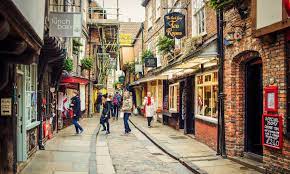
Stonegate is just off Lower Petergate and is simply a delightful street filled with all sorts from Stonegate Teddy Bears to Evil Eye. It’s one of the most delightful streets in York and even is the home to York’s oldest pub. 

In t’ Afternoon

Following your mooch around the shops, it’s probably time for a little break! Enter Love Cheese for food and drinks!

Yes, we are biassed, but would the perfect day even be perfect without a bit of wine and cheese? So, once you’ve had your fill of shopping, meander over to Gillygate where you can enjoy our Speakcheesey and Secret Garden. The Secret Garden is perfect for cheese boards, toasties and wine. Get comfy, relax, and enjoy some food, drinks and, of course, cheese. 

Some of our favourite things on the menu include… 

  • A 5 course tasting board, where you can try 5 wine and cheese pairings, getting you nice and ready for the evening. 
  • Toasties, toasties galore! Our toasties are a firm favourite, both with staff and customers and the perfect post shopping bite!
  • Wine and cheese… duh! If you’re only after a little snack then grab yourself a cheese board with your favourite cheeses and grab a bottle of wine to enjoy alongside. 

Sit and enjoy and let time pass by. 

lovecheese2021 apr garden 6
trembling madness

Late Afternoon / Early Evening

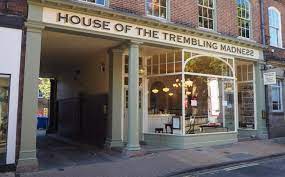
Following your delicious lunch at Love Cheese, we recommend kicking off your evening by grabbing a drink at The House of Trembling Madness. They have 2 locations, 1 on Stonegate and the other on Lendal. Their Stonegate bar is slightly smaller but both locations are fantastic! 

With great selections of beers and spirits, as well as being completely unique… It’s the perfect place to transition from day to night. The staff are friendly and knowledgeable and no one regrets stopping in for a quick drink or two. 

In t’ Evenin’

For dins, we have a few suggestions as it was just too hard to pick one. So, depending on your poison, there’s a few ways to go. 

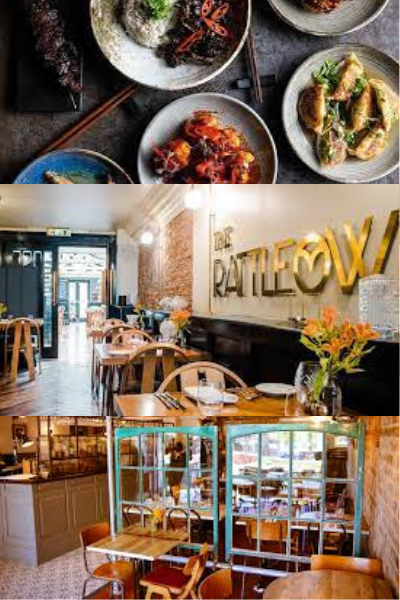
For Small Plates – Rattle Owl… Located on the historic street of Micklegate, Rattle Owl is one of York’s best restaurants. Tom Haywood, the head chef, makes a seasonal menu based around Yorkshire sourced products.Their tasting menu is simple divine and you can choose between a 6 course or 8 course menu. 

For Ethical Eating – Forage… Nestled away on Little Stonegate, Forage is a quaint restaurant and late-night bar in the heart of York. They have created the perfect calm and relaxing utopia. WIth lots of quirky little spaces, a great food menu and wonderful cocktail list, you can get situated and let the world disappear as you get cheerful with your friends.  

For the Steak – The Whippet Inn… Now, as far as steak and ale houses go, The Whippet Inn on North Street is the creme de la creme. Its quirky interior is matched by its sublime menu – they even have a vegan steak! It’s cosy, hearty and very British. We love it! 

york blog

And there you have it, our perfect day out in York! There are so many amazing things that York has to offer, from independent shops to popular brands. It can be hard not to get overwhelmed with where you must go and what you must try…

So, we hope this guide has been helpful and if you decided to test out our perfect day be sure to let us know!

Love Cheese x